The serving size, first
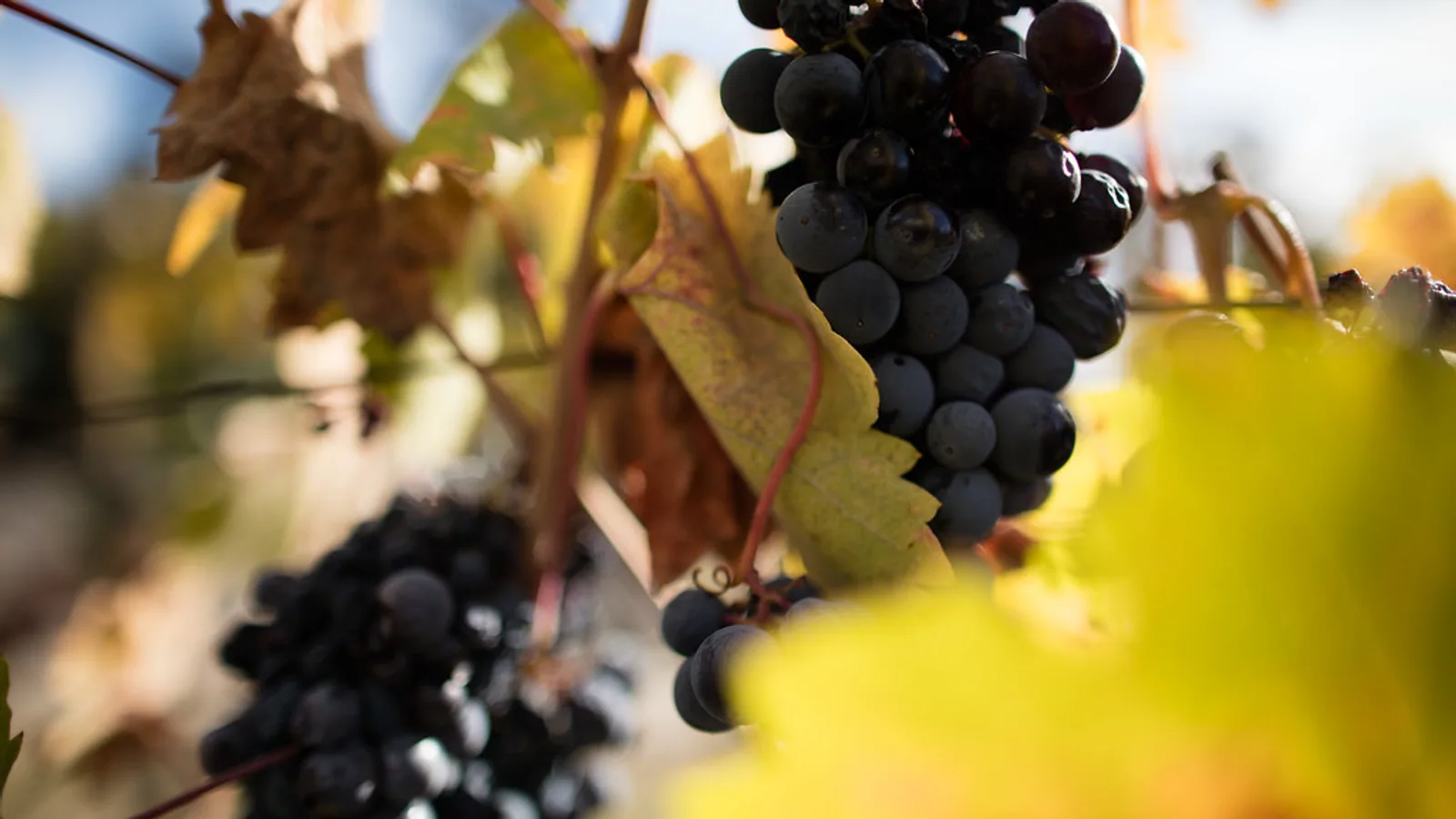
Most pages about grapes give you a verdict and no quantity, which is the part that actually matters. The specific guidance is on record: PetMD advises feeding grapes only as a treat, about 1 to 2 grapes once or twice a week; their high sugar content can lead to obesity and digestive issues, and seeds should always be removed and the grapes cut bite-sized because seeds are a blockage risk.
That is one to two grapes, once or twice a week. Not a handful. Not daily. A dragon offered grapes on that schedule gets the enrichment without the metabolic bill.
Why the limit is that tight
Grapes are sugar wrapped in water. Veterinary guidance caps fruit hard for exactly that reason: Fruit should be limited to at most about 5% of the total diet (NCSU/WSU/PetMD) because it is high in sugar; VCA allows fruit as 10-20% of the plant portion only, 'as a treat only'.
That cap is not arbitrary. In a captive dragon, excess sugar shows up as obesity and digestive upset, and obesity in a lizard is not cosmetic. It shortens life and complicates every other health problem. The lifespan guide covers what actually extends a dragon's years, and diet quality sits near the top.
There is a second reason to keep fruit small. The plant side of the diet has a job to do, and grapes do not do it: 80-90% of the plant material fed should be leafy green vegetables; fruit plus yellow/red/orange vegetables should be only 10-20% of the plant portion. Every grape you add displaces greens that were carrying the calcium.
How to prepare a grape properly
Grapes are one of the few foods where the physical shape is the risk, not the chemistry. A whole grape is round, slick, and roughly the width of a small dragon's throat.
Apply the standard size rule, which veterinary sources set for insects and which works just as well for fruit: Never feed an insect whose length is greater/wider than the width of the dragon's head; RSPCA: live food greater than the width of the dragon's head should not be offered.
In practice:
- Buy seedless. It removes a hard, indigestible object from the equation.
- Halve or quarter. A quartered grape cannot lodge; a whole one can.
- Wash first. Grapes carry pesticide residue more than most fruit because the skin is eaten.
- Serve on a dish, not the substrate. Offer food in a separate dish or feeding container rather than on the substrate to reduce accidental substrate ingestion.
Skin is fine and stays on. A peeled grape loses fibre and gains nothing.
The refusal problem nobody warns you about
Here is the practical reason keepers get strict about fruit, and it has nothing to do with toxicity.
A bearded dragon that learns sweet food arrives regularly will hold out for it. Owners describe the same pattern over and over: the salad sits untouched while the dragon watches the door, because last Tuesday the door produced grapes. An appetite for collard greens takes weeks to rebuild after that, of plain salads and a certain amount of nerve.
Owner practice across the hobby is already shaky. A Tufts-affiliated survey of 405 bearded dragon owners found approximately half were feeding a diet with less than 50% plant material and more than 50% insects, and researchers noted a need for clear evidence-based nutritional guidelines on food type, quantity, and frequency.
Two habits prevent the problem. Serve fruit mixed into the salad rather than by hand, so it never becomes an event. And keep the schedule irregular within the weekly limit, so no particular day teaches your dragon to wait.
Grapes are not a hydration strategy
Grapes are mostly water, which leads some owners to use them as a drink substitute during shedding or hot weather. That reasoning is understandable and still wrong, because the sugar comes along with the water.
Bearded dragons have better routes to hydration, all of them sourced. Bearded dragons can and do drink standing water — the Australian Museum reports wild dragons 'will drink from standing free water' — and pet care sources still recommend a water bowl; wild dragons also harvest rainwater by licking water channeled to the snout. Beyond the water dish, Soaking/bathing in shallow warm water helps hydration: VCA suggests soaking in warm water for several minutes a few times a week; NCSU says bearded dragons enjoy a shallow soak weekly in warm water along with misting. and Misting supports hydration: VCA suggests misting or washing vegetables and lightly misting the bearded dragon itself; NCSU mentions misting alongside weekly soaks.
A dehydrated dragon shows it in ways fruit will not fix: Sunken eyes, sticky mucus in the mouth, and retained non-shedding skin can all be signs of dehydration; sunken eyes also suggest weight loss. Those signs call for a bath and a vet conversation, not a grape. The hydration guide covers the whole picture.
Where grapes sit against other fruits
Grapes are neither the best nor the worst treat available. The sourced list of acceptable occasional fruits is broad: Safe occasional fruits include papaya, melon, watermelon, banana, figs, apples, mango, dates, peaches, apricots (NCSU), strawberries and blueberries (PetMD), and apple, apricot, banana, dates, figs, grapes, guava, kiwi, mango, melon, peach, pear, raspberry, star fruit, strawberry, tomato (VCA)
| Treat | How it behaves in the diet |
|---|---|
| Grapes | High sugar, no calcium advantage, easy portion control |
| Papaya, figs | Better mineral profile among the sourced fruits |
| Berries | Small size makes accidental over-serving easy |
| Citrus | Avoid feeding citrus fruits, as the acidity can cause gastrointestinal upset. |
Source note: fruit lists from NC State's veterinary hospital, VCA, and PetMD, cited below.
The honest summary: grapes are a fine treat with no special benefit. If you want a fruit that earns its place, the fruit guide ranks the sourced options.
The mineral arithmetic behind fruit limits
Experienced keepers should understand why fruit gets capped while greens do not, because the reason is a ratio rather than a calorie count.
A bearded dragon's diet is judged on calcium against phosphorus. The calcium:phosphorus ratio of the diet should be at least 1:1, with 2:1 preferred (Merck); WSU and Illinois WEL state the ideal Ca:P ratio is 2:1. Calcium-rich staple greens push that ratio in the right direction: Calcium-rich staple greens include collard greens, mustard greens, turnip greens, and dandelion greens.
Sweet fruits generally do not carry meaningful calcium, so every gram of fruit dilutes the ratio the rest of the salad is working to build. Add insects, which are famously poor on this measure (Feeder insects naturally contain extremely low calcium (about 0.03-0.3%) with 0.8-0.9% phosphorus; a 3-day 12% calcium gut-load raises insect calcium to roughly 0.8-0.9%, giving a Ca:P ratio of approximately 1.2:1.), and a fruit-heavy week can quietly push a dragon toward the calcium deficit behind metabolic bone disease.
That is the mechanism. It is also why the answer to "can they eat grapes" is yes with a number attached, rather than yes on its own.
Signs you overdid it
Runny droppings after a fruit day are the usual first sign, and the droppings guide explains what normal looks like. Persistent loose stool, appetite changes, or weight gain across weeks are worth a conversation with a reptile vet rather than a diet tweak alone.