Start with space
Most setup mistakes begin with a tank bought for a hatchling and never upgraded. The RSPCA's minimum for one adult is at least 120 cm long by 60 cm wide by 60 cm high, and US veterinary guidance runs to 40 gallons at minimum, with 60 to 100 gallons widely recommended. The rule of thumb behind those numbers: Enclosure length should be at least 3x the lizard's total body length; VCA adds minimum width of 16 inches. The tank size guide works through sizing by age, and the full setup guide puts every component in order.
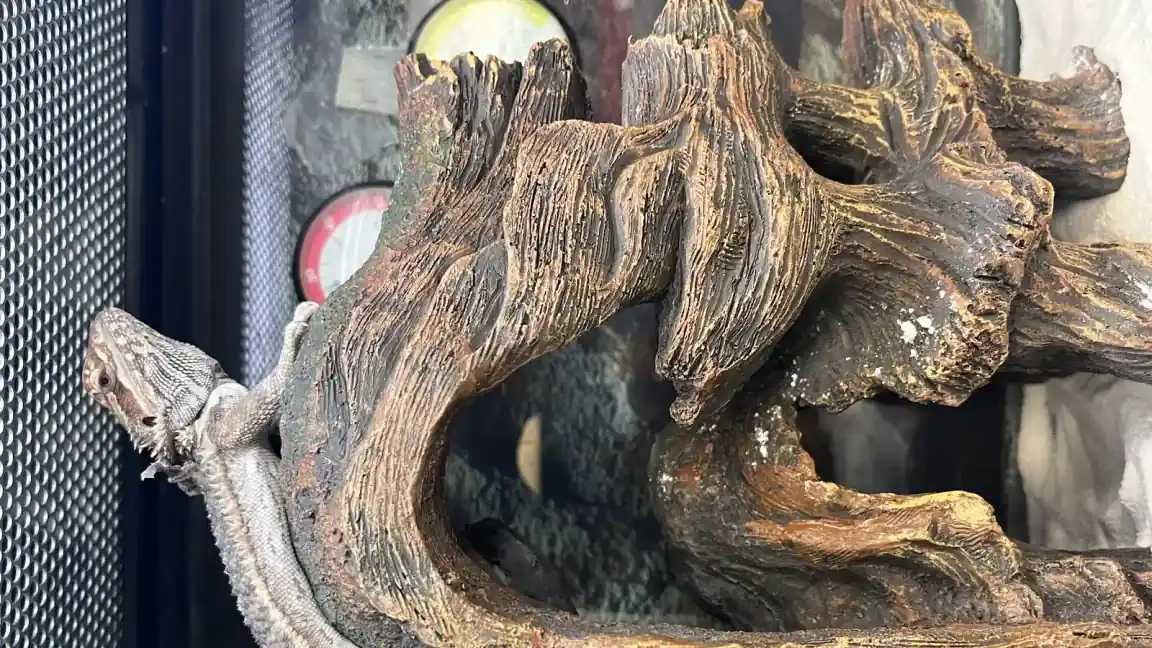
Material matters more than owners expect. Bearded dragons do better in larger wooden or fiberglass vivaria rather than glass aquaria. Ventilation is part of the same decision, since humid, stagnant air is a respiratory infection waiting to happen.
Heat: a gradient, not a temperature
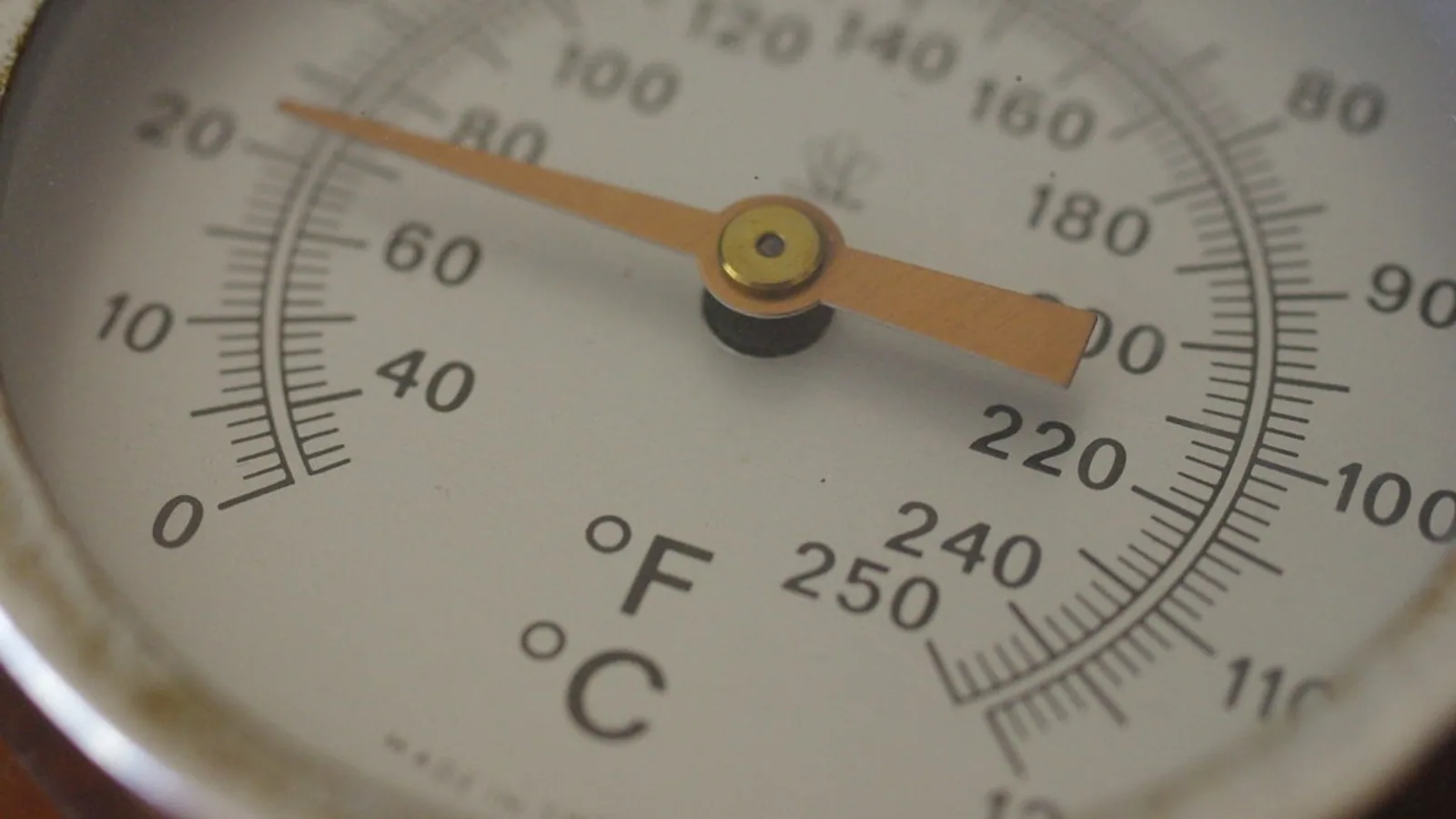
A bearded dragon cannot make its own body heat, so it moves between zones to manage it. A hot-to-cool temperature gradient is mandatory so the dragon can thermoregulate within its preferred optimal temperature zone (POTZ) The targets are a basking spot at 95 to 110 F (35 to 43 C), a cool side at 75 to 80 F (24 to 27 C), and nights no colder than 65 to 70 F (18 to 21 C). Two thermometers, one at each end, are the minimum instrumentation. The temperature guide explains each zone, and the night heat guide settles the most argued question in the hobby.
Light: the parameter that prevents disease
UVB is not decoration. Bearded dragons rely on UVB light to synthesize vitamin D3 in the skin; D3 is essential for calcium metabolism, and without adequate UVB they can develop metabolic bone disease (nutritional secondary hyperparathyroidism), weak bones and fractures. Three details decide success: the bulb must reach the dragon with nothing in between, since No glass or plastic (or fine mesh) may sit between the UVB source and the dragon - these filter out UVB; sunlight through a window is not sufficient.; it must run on a timer for 12 hours of light a day; and it must be replaced every 6 to 12 months, because output fades long before the visible light does. The UVB lighting guide covers bulb types, distance, and the UV index gradient. Natural sunlight beats any bulb when it is safe to provide, and the outdoor time guide explains how.
Humidity and floor
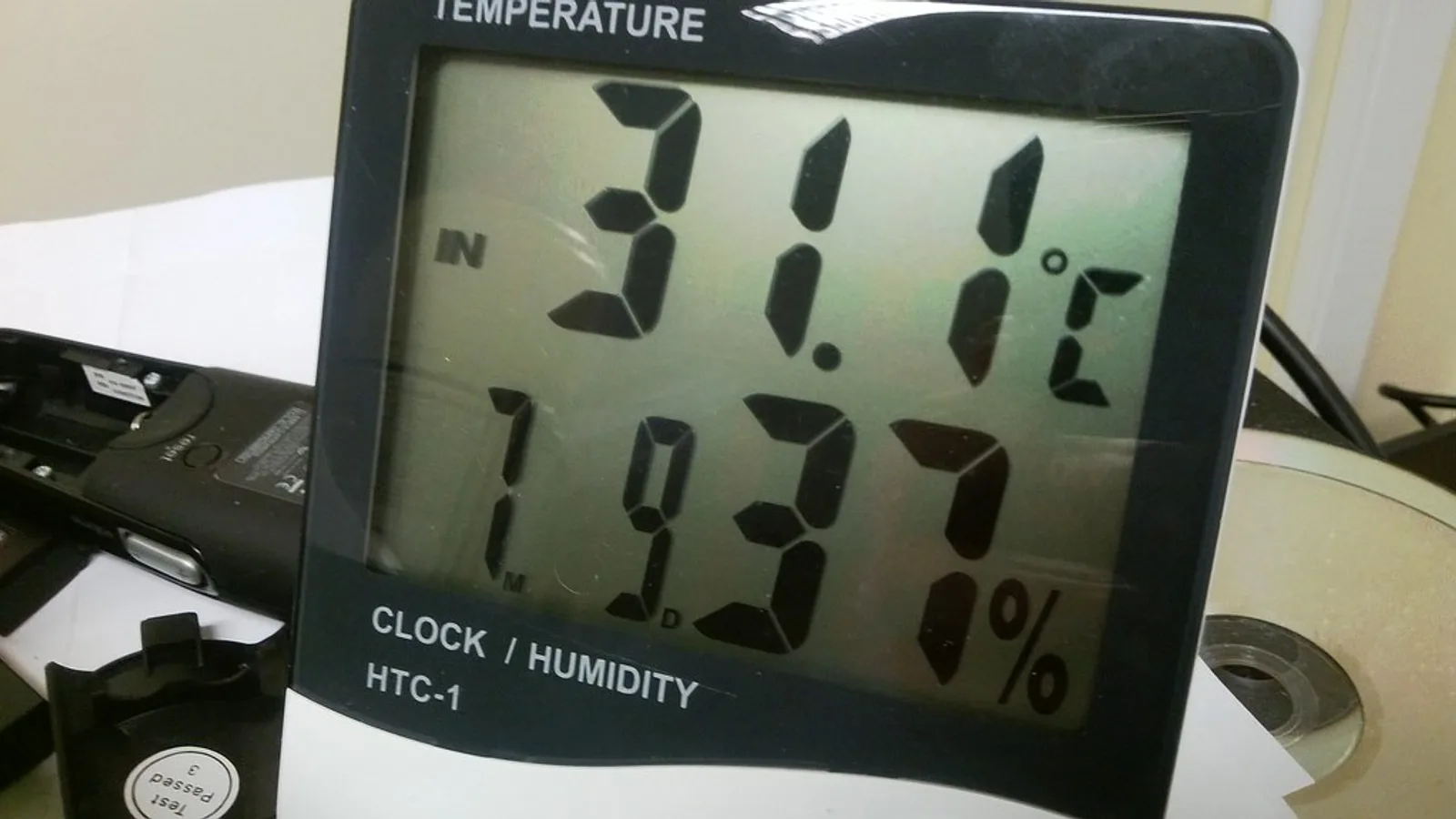
This is a desert lizard, and its enclosure should stay dry. Keep humidity low, around 30-40%; source ranges: RSPCA UK 30-40% (measured at cool end), WSU 30-40%, NCSU 20-40%, PetMD 30-50%, Merck 20-30%. High humidity invites respiratory infection; too low complicates shedding. The humidity guide covers measuring and correcting it.
Substrate is where veterinary sources genuinely disagree, and we show that disagreement rather than hiding it. Sources differ on loose substrate: US veterinary sources (VCA, NCSU) advise against all sand due to impaction risk, while RSPCA UK permits reptile-safe sand or sand/soil mix with a digging box, and RSPCA SA lists sand as an option but excludes calci-sand; all sources agree calci-sand, gravel, corn cob and walnut shell are unsafe. Every source agrees on the bans: Avoid substrates linked to gut impaction or toxicity: sand including calcium-based 'calci-sand' (VCA, NCSU, RSPCA SA), gravel/pea gravel, wood chips/shavings, corn cob, crushed walnut shells, cat litter, and cedar (toxic) or pine shavings. The substrate guide lays out the safe options and the case for each.
Furniture, hides, and enrichment
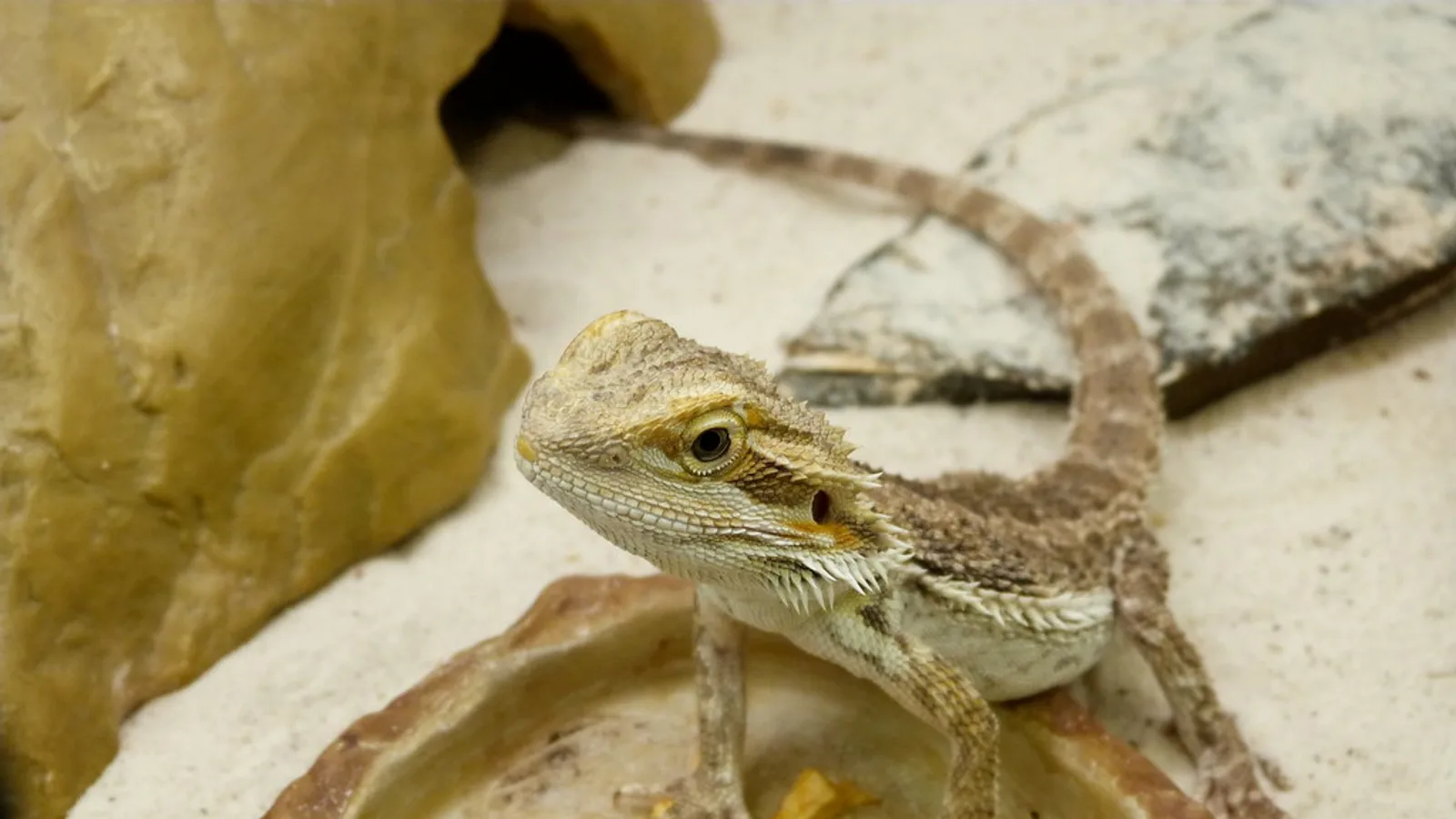
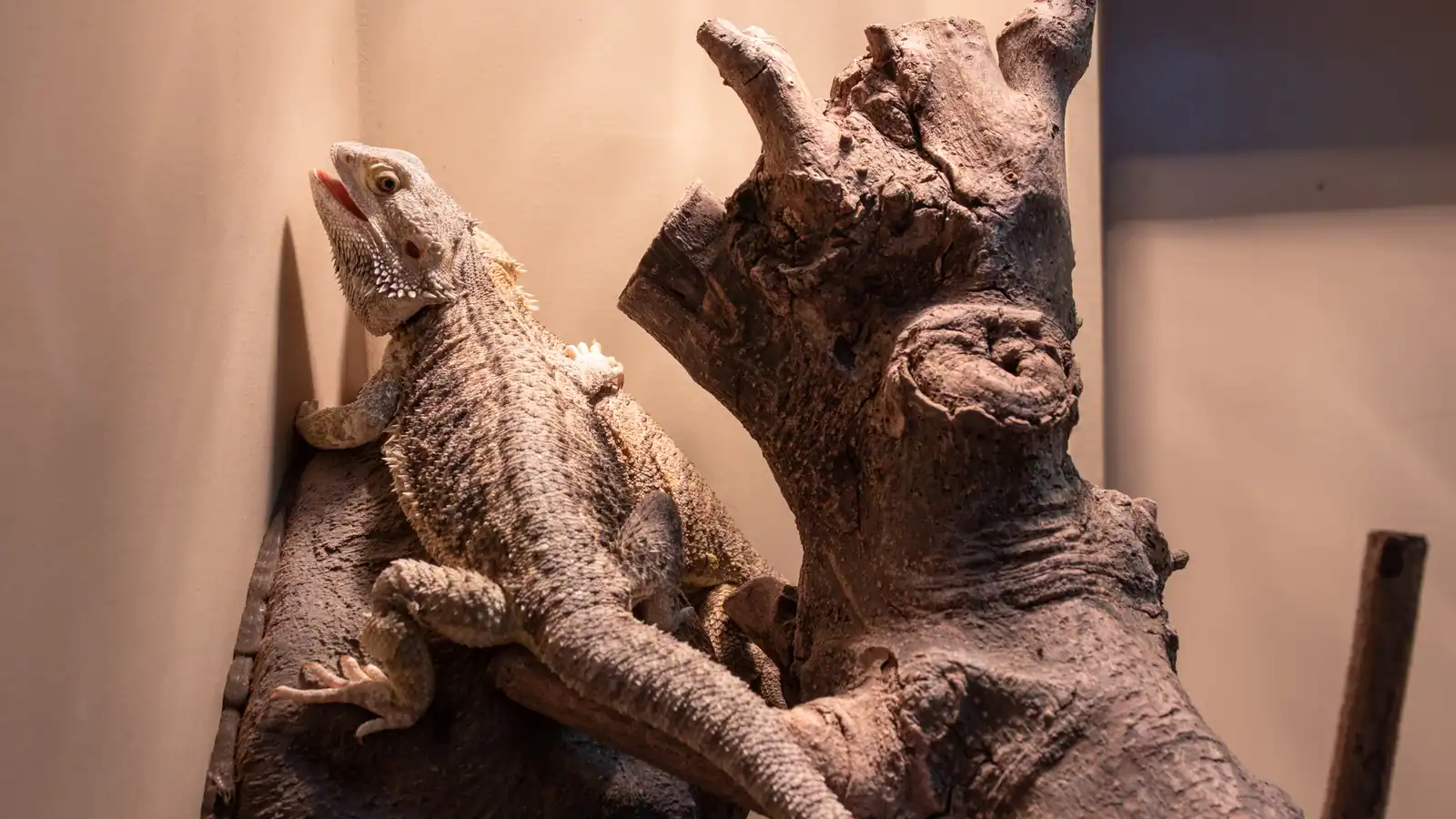
An empty tank is a stressed dragon. Provide hiding places at BOTH the warm and cool ends of the enclosure; hides can be commercial caves, clay pots or cardboard boxes. Add sturdy basking furniture under the heat lamp and secure climbing branches, since Bearded dragons are adept climbers in the wild - one Australian Museum observation records a dragon perched in the same tree 3 m above ground for three weeks during extreme heat. The decor guide shows layouts that work, including the digging box the RSPCA recommends.
One dragon per tank
Cohabitation looks cute and ends badly. House bearded dragons individually: RSPCA SA states they 'can inflict severe damage to each other, resulting in loss of limbs and even death' and that keeping multiple females together 'is not a safe practice and is best to avoid'; RSPCA UK: 'it's best to house bearded dragons separately'. The living together guide explains the dominance behavior behind the rule.
Keeping it clean
Regular cleaning protects the dragon and the household. Spot-clean waste daily (or immediately when seen); remove uneaten insects from the enclosure. Full clean/disinfection: PetMD recommends complete cleaning at least once a week; VCA: replace paper bedding weekly and wash reptile carpet weekly; RSPCA UK: clean the vivarium once a month with a reptile-safe disinfectant. The cleaning guide turns that into a daily, weekly, and monthly routine that also follows the CDC's Salmonella rules.
Quick reference: habitat targets
| Parameter | Target |
|---|---|
| Adult enclosure | at least 120 cm long by 60 cm wide by 60 cm high |
| Basking spot | 95 to 110 F (35 to 43 C) |
| Cool side | 75 to 80 F (24 to 27 C) |
| Night | no colder than 65 to 70 F (18 to 21 C) |
| Humidity | 30 to 40 percent |
| UVB photoperiod | 12 hours of light a day |
| UVB bulb replacement | every 6 to 12 months |
| Hides | Warm end and cool end |
| Occupants | One dragon per enclosure |
Source note: RSPCA UK and South Australia care sheets, Washington State and NC State veterinary hospitals, VCA, and PetMD, cited in each linked guide.