Why most bearded dragon illness starts in the enclosure
Reptile vets see the same pattern over and over. Most common bearded dragon health problems are husbandry-linked: metabolic bone disease, impaction, dysecdysis (abnormal shedding), parasites, gout, fatty liver and trauma appear on RSPCA SA's list of common conditions; incorrect diet, lighting and temperature are root causes cited by vet sources. That is good news in disguise: the biggest threats to your dragon are things you control with a thermometer, a UVB bulb on a replacement schedule, and a calcium pot.
The second pattern is silence. Reptiles typically do not show signs of illness until disease has significantly progressed, so subtle changes matter and owners should not wait to see if the lizard recovers on its own. A dragon that looks a little off has usually been unwell for a while, which is why the guides here lean on early, specific signs rather than dramatic ones. Start with the warning signs guide if you are worried today.
The conditions that matter most
Metabolic bone disease is the one every owner should understand before anything else. Metabolic bone disease (MBD) is one of the most common and preventable diseases of pet bearded dragons. The MBD guide explains the calcium and UVB chain that prevents it, and the UVB lighting guide covers the equipment side.
Impaction comes next, and it is the reason substrate arguments get heated. Gastrointestinal impaction can be caused by swallowing loose particle substrate (sand, gravel, wood chips, crushed walnut shell are indigestible and may cause obstruction) and by oversized food items. The impaction guide sets out both the prey-size rule and the substrate positions of US and UK veterinary sources.
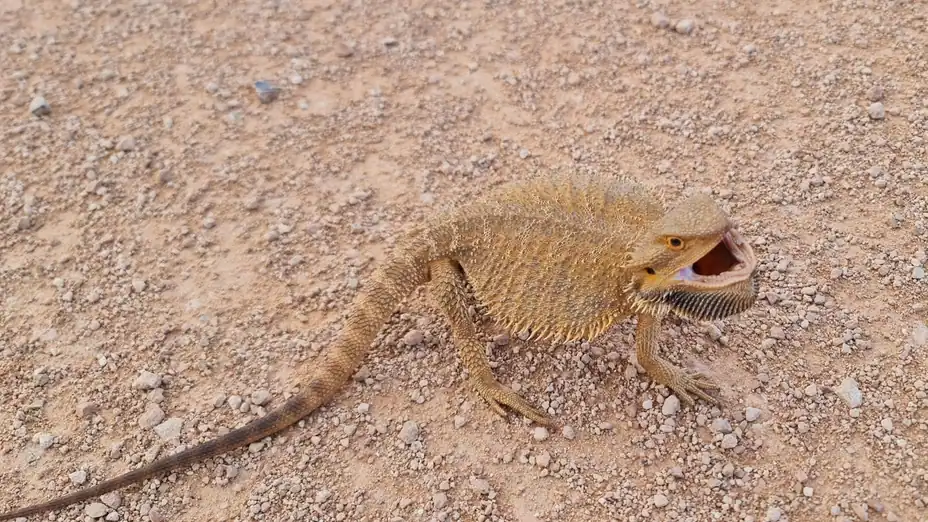
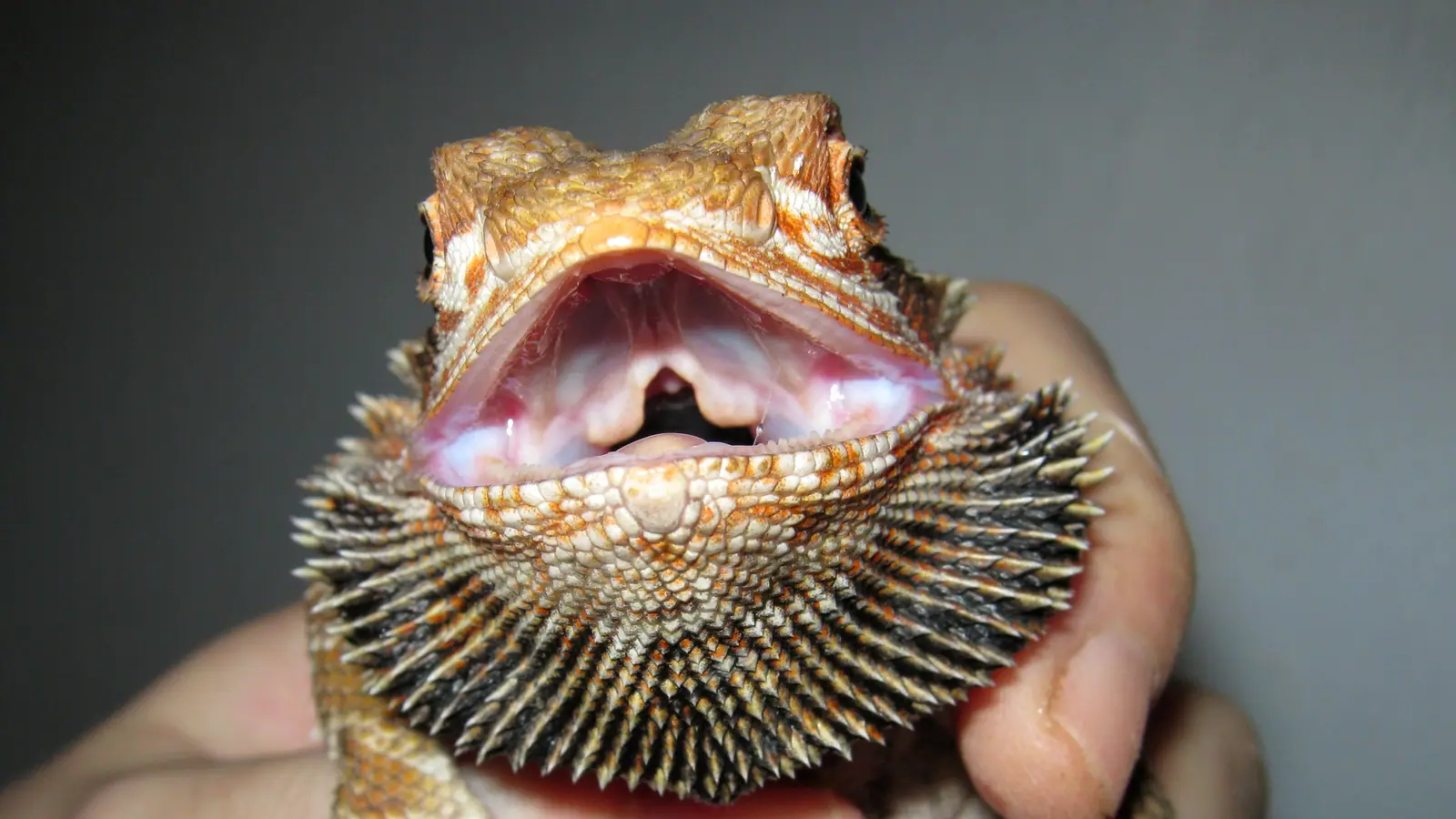
Respiratory infection tracks temperature and humidity. Respiratory infections (including pneumonia) occur in dragons that are stressed, improperly fed, or kept in poor, cold, or dirty conditions; causes include bacteria, viruses, fungi, and parasites, plus unfavorable temperatures, unsanitary conditions, malnutrition, and vitamin A deficiency. The respiratory infection guide separates normal gaping from labored breathing.
Mouth rot, tail rot, and parasites round out the list, each with its own guide: mouth rot, tail rot, and parasites.
Normal things that look like illness
Two natural behaviors send owners to the vet needlessly, and one of them can also hide real disease. Brumation is a state of sluggishness, inactivity, or torpor exhibited by reptiles during winter or cold periods; unlike true hibernation, brumating reptiles retain some activity and may seek water to drink. The brumation guide explains how to tell seasonal slowdown from sickness, and why a vet check before a planned brumation is worth the fee. Shedding is the other: Bearded dragons shed their skin in large pieces; before a shed the dragon looks dull as the old skin dries, then the skin should come off easily over a day or so. Stuck shed on toes and tail tips is the part to watch, covered in the shedding guide.
Appetite loss sits between the two camps. Common causes of appetite loss include brumation (seasonal slowdown), improper enclosure temperature (a common reason dragons stop eating per WSU), stress, and illness such as metabolic bone disease, mouth rot, parasites, respiratory infection, impaction, or egg binding. The not eating guide works through those causes in the order a vet would.
Reading droppings and eyes
Droppings are the cheapest health check you own. Decreased stool production typically indicates reduced food intake or constipation and warrants veterinary evaluation; brumating dragons normally stop defecating while eating little. The poop guide shows what normal looks like and which changes mean parasites or dehydration. Eyes tell a similar story: Swollen, sunken, closed, or draining eyes are a reason to contact a veterinarian; eye infections are among the common conditions seen in bearded dragons. See the eyes closed guide for the causes, from shed to infection.
Vet care on a schedule
Two appointments are non-negotiable. A newly acquired bearded dragon should be examined by a reptile-experienced veterinarian within 48 hours of purchase or adoption. After that, Healthy bearded dragons should have a veterinary wellness examination once every year, ideally bringing a fresh fecal sample for parasite screening; regular annual checkups plus proper environment help catch and prevent illness early. Find a reptile-experienced clinic before you need one, because emergencies do not wait: Emergency-level signs include seizures, suspected egg binding in a lethargic female, a blackening mushy tail, not eating at all, no droppings with lethargy, constriction injuries from retained shed, and any trouble breathing.
One more health topic runs the other direction, from dragon to human. Reptiles, including bearded dragons, can carry Salmonella bacteria while appearing healthy and clean and showing no signs of illness; carriers shed the bacteria in their feces. The CDC's hygiene rules are simple, and the tank cleaning guide builds them into a routine.
Quick reference: when to call a reptile vet
| What you see | What it usually means | Action |
|---|---|---|
| Food left after a meal, once | Early illness or a temperature problem | Check temperatures, watch 48 hours |
| Lethargy plus weight loss | Illness, not brumation | Vet appointment this week |
| Swollen jaw, tremors, weak legs | Metabolic bone disease | Vet now |
| No droppings plus no appetite | Possible impaction | Vet now |
| Bubbles at mouth, open-mouth breathing at rest | Respiratory infection | Vet now |
| Blackened, shriveled tail tip | Tail rot | Vet now |
| Seizures, limp body, straining female | Emergency | Emergency vet immediately |
Source note: thresholds compiled from the veterinary sources cited in each linked article.