The staple greens veterinarians recommend
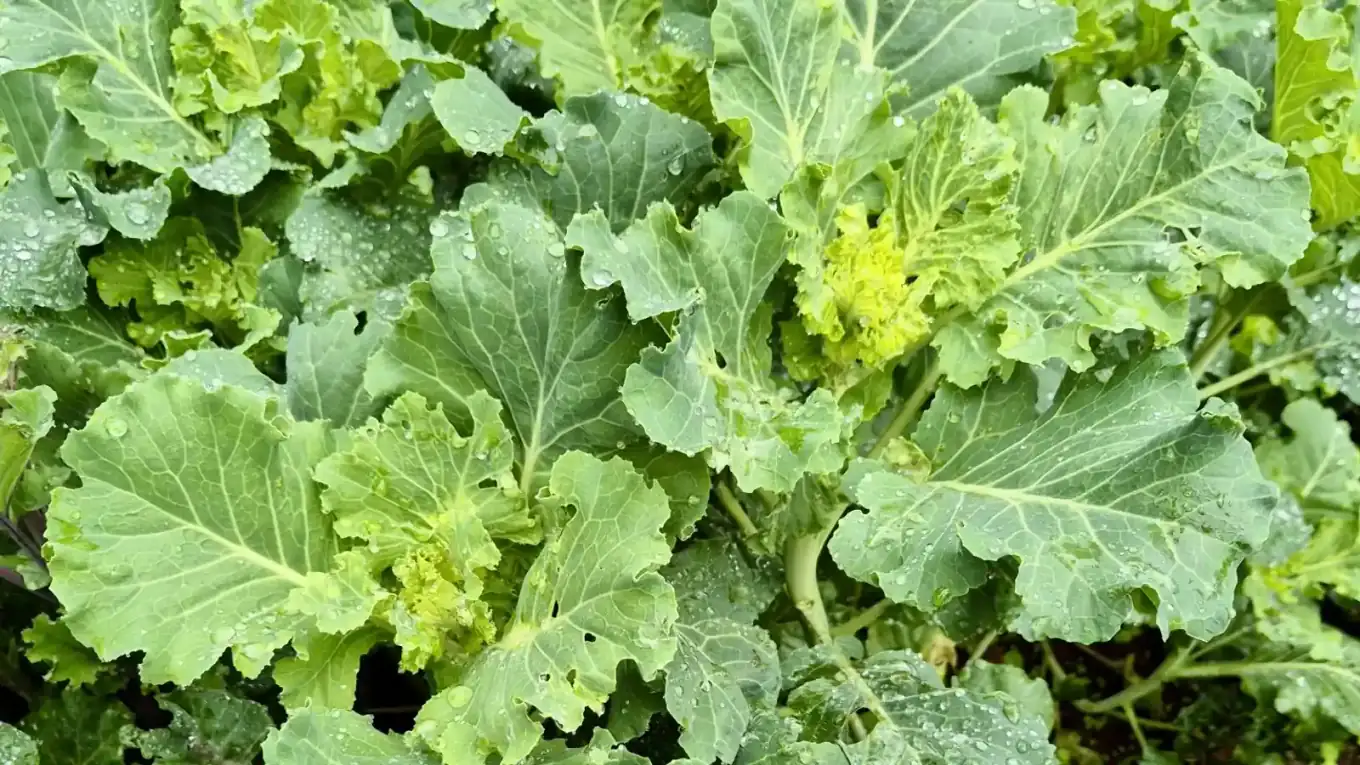
Start with the greens that carry the most calcium per bite. Calcium-rich staple greens include collard greens, mustard greens, turnip greens, and dandelion greens. These four turn up on every veterinary feeding guide we cite because they deliver calcium without the antinutrients that undermine cheaper greens.
The approved list runs much wider than four items. Safe greens/vegetables per VCA: collard greens, dandelion greens, mustard greens, turnip greens, escarole, watercress, bok choy, kohlrabi, parsley, clover, green beans, bell peppers, plus others; PetMD adds romaine, green leaf and red leaf lettuce, arugula, squash, zucchini, sweet potato, peas, beans, okra, grated carrots.
Proportion matters as much as selection. 80-90% of the plant material fed should be leafy green vegetables; fruit plus yellow/red/orange vegetables should be only 10-20% of the plant portion. In practice that means the bowl should look green first, with everything else scattered on top as accent.
Rotation beats loyalty. Keep two staple greens on hand and swap the pair every week or two so no single green dominates the month; the technical section below explains why that guards against both antinutrient problems at once.
Chopped vegetables for the mix
Non-leafy vegetables are the second layer of the salad. Other (non-leafy) vegetables recommended: squash, zucchini, sweet potato, carrot, bean sprouts, broccoli (NCSU); squash, peas, beans (RSPCA); squash, zucchini, sweet potato (WSU)
Carrots deserve a specific note because owners tend to overuse them. Grated carrot is rated safe staple (vegetable portion, grated/chopped) by PetMD, NC State, and the RSPCA. It belongs in the rotation, not at the center of the bowl, and grating it fine makes it far easier for a dragon to take in with the greens.
Bell peppers, green beans, and squash add color and moisture, which does real work for a desert lizard that gets much of its water from food dishes and greens. See our guide on how bearded dragons drink water for why that matters.
Vegetables to limit and why
A few common vegetables come with a catch. None of them is an emergency, but each one has a reason to stay occasional.
| Vegetable | Feeding status |
|---|---|
| Grated carrot | safe staple (vegetable portion, grated/chopped) |
| Kale | occasional (in moderation) |
| Broccoli | occasional |
| Cabbage | occasional (caution) |
| Spinach | rarely |
| Lettuce varieties | rarely / not recommended |
Source note: ratings compiled from VCA Animal Hospitals, NC State University's veterinary hospital, PetMD, and RSPCA Australia feeding guidance; see Sources below.
The two mechanisms behind the limits are oxalates and goitrogens. Swiss chard, spinach, and beet greens should be fed sparingly because they contain oxalates, which can bind calcium and other trace minerals and prevent their absorption. Cabbage, kale, and mustard greens contain goitrogens that can interfere with iodine uptake and suppress thyroid function if fed in excess. We break both down in the individual guides to spinach and kale.
How much vegetable your dragon needs by age
Vegetable share grows as insect share shrinks. Live insects should make up about 70% of a juvenile bearded dragon's diet, with vegetables about 20-30% and only small amounts of fruit. Older juveniles (4-12 months) eat approximately 50% vegetable and 50% animal matter.
Adults flip the ratio decisively toward plants. Adult diet per NC State and WSU vet hospitals: 50-55% dark leafy greens, 20% chopped/grated vegetables, about 25% animal matter (insects), and a maximum of 5% fruit. A dragon that reaches adulthood still eating a juvenile's insect-heavy menu is on the road to obesity, which is why the vegetable bowl becomes the daily anchor of adult feeding. The full schedule by age is in how often bearded dragons eat.
Where the veterinary sources disagree
Read three care sheets and you get three vegetable percentages, which convinces some owners that somebody must be wrong. The honest picture is a range. Recommended adult insect share varies by source: RSPCA states 90% vegetable / 10% animal matter, PetMD states 20-30% insects with 70-80% vegetables, and NCSU/WSU state about 25% animal matter — all agree adults eat mostly plants.
The disagreement is narrower than it looks. Every source puts plants at the center of the adult diet and insects at the margin; they differ only on where the margin sits. Reputable veterinary sources differ on exact adult insect:vegetable percentages (10% to ~30% animal matter) and supplement schedules; site copy should present ranges and advise confirming a schedule with a reptile veterinarian.
Wild feeding explains why the species tolerates the spread. In the wild they feed on vegetation including fruit and leaves, invertebrates (including ants and beetles), and small vertebrates such as lizards. A digestive system built for variable desert forage handles a plant share anywhere inside the published range, provided the greens themselves are the right ones.
How to prepare and serve vegetables
Chop or grate everything to a size your dragon can take in one bite, and serve the salad in a dish rather than loose on the floor of the enclosure. Offer food in a separate dish or feeding container rather than on the substrate to reduce accidental substrate ingestion. Swallowed substrate is a recognized impaction risk, and a feeding dish removes it entirely.
A light misting helps too. Misting supports hydration: VCA suggests misting or washing vegetables and lightly misting the bearded dragon itself; NCSU mentions misting alongside weekly soaks. Wet greens carry water into a lizard that rarely drinks from a bowl. Wash everything, and skip dressings, oils, and seasoning of any kind; the salad goes in plain.
For portion scale, the University of Illinois publishes the daily ration its veterinary laboratory feeds adult dragons. Example adult daily ration used by University of Illinois WEL: 1/2 cup leafy greens (kale, mustard, collard, or turnip greens) + 1 tablespoon chopped veggies + 1/8 teaspoon calcium powder sprinkle, with 2 kingworms twice weekly (~5% protein)
Oxalates, goitrogens, and the calcium math
Experienced keepers should understand why the limit list exists, because the mechanism drives food choice more than any single vegetable does.
Oxalates bind calcium in the gut. A salad built on spinach and chard can be calcium-rich on paper while the dragon absorbs a fraction of it, and the deficit compounds toward metabolic bone disease over months. Vegetables with a low oxalate content should be fed to decrease the likelihood of kidney stone formation. Kidney stones are the second, less discussed cost of a high-oxalate menu.
Goitrogens work on the thyroid instead of the gut, interfering with iodine uptake when brassicas dominate the bowl. The practical rule from both mechanisms is the same: rotate. No single green, however good its numbers, should be the only green.
The target the whole salad serves is the dietary calcium to phosphorus ratio. The calcium:phosphorus ratio of the diet should be at least 1:1, with 2:1 preferred (Merck); WSU and Illinois WEL state the ideal Ca:P ratio is 2:1. Staple greens push the ratio in the right direction; high-oxalate and high-phosphorus items pull it back down. The dusting schedule fills the remaining gap, and our bearded dragon calcium guide covers that schedule in full.