Social signals in a solitary animal
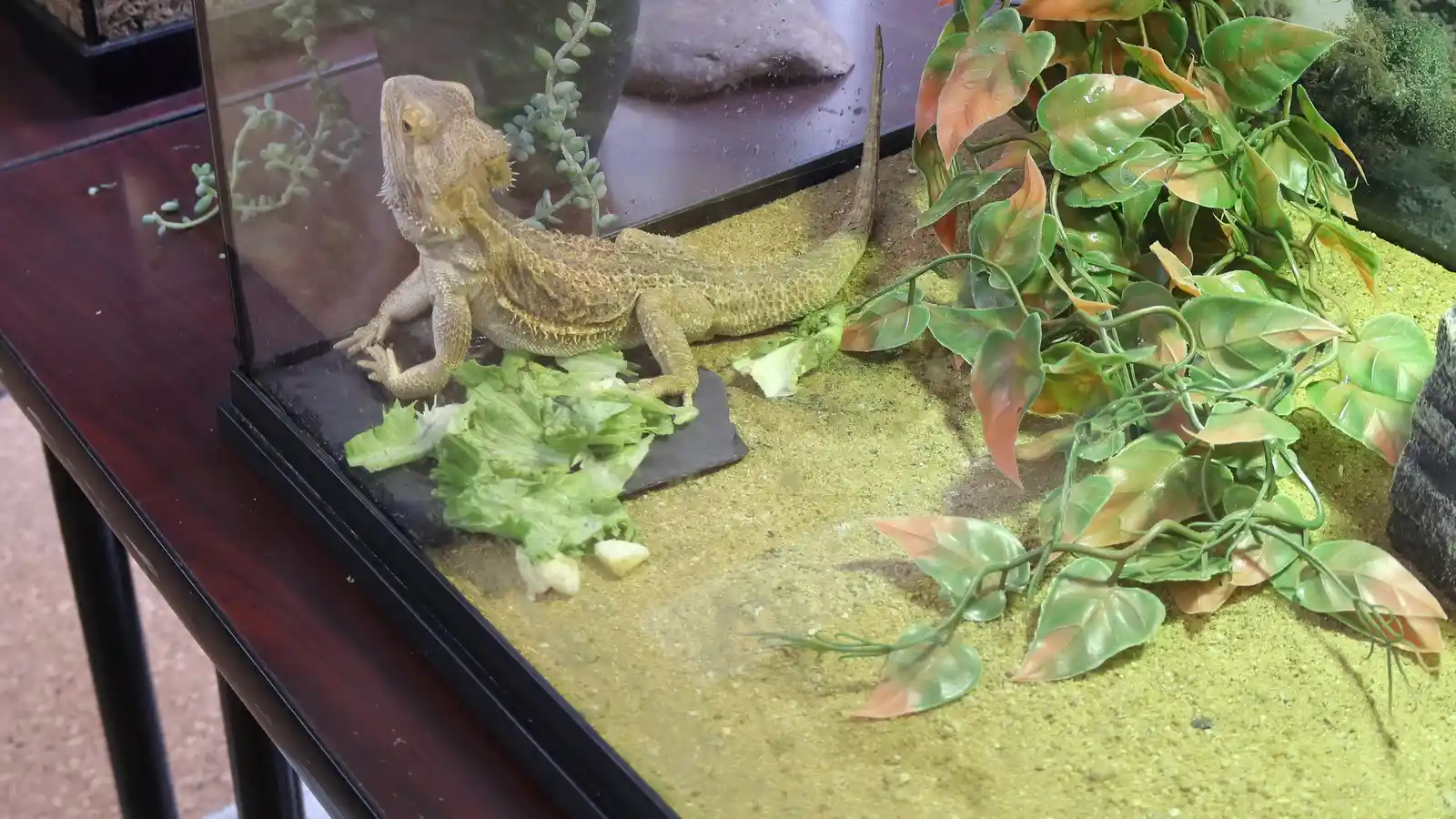
Bearded dragons are not social in the way a dog is, yet they carry a full set of signals for the moments they meet. Not social - solitary animals; should be housed individually, and males must be kept separately (territorial) That solitary wiring is exactly why the signals matter: they exist to settle encounters without a fight.
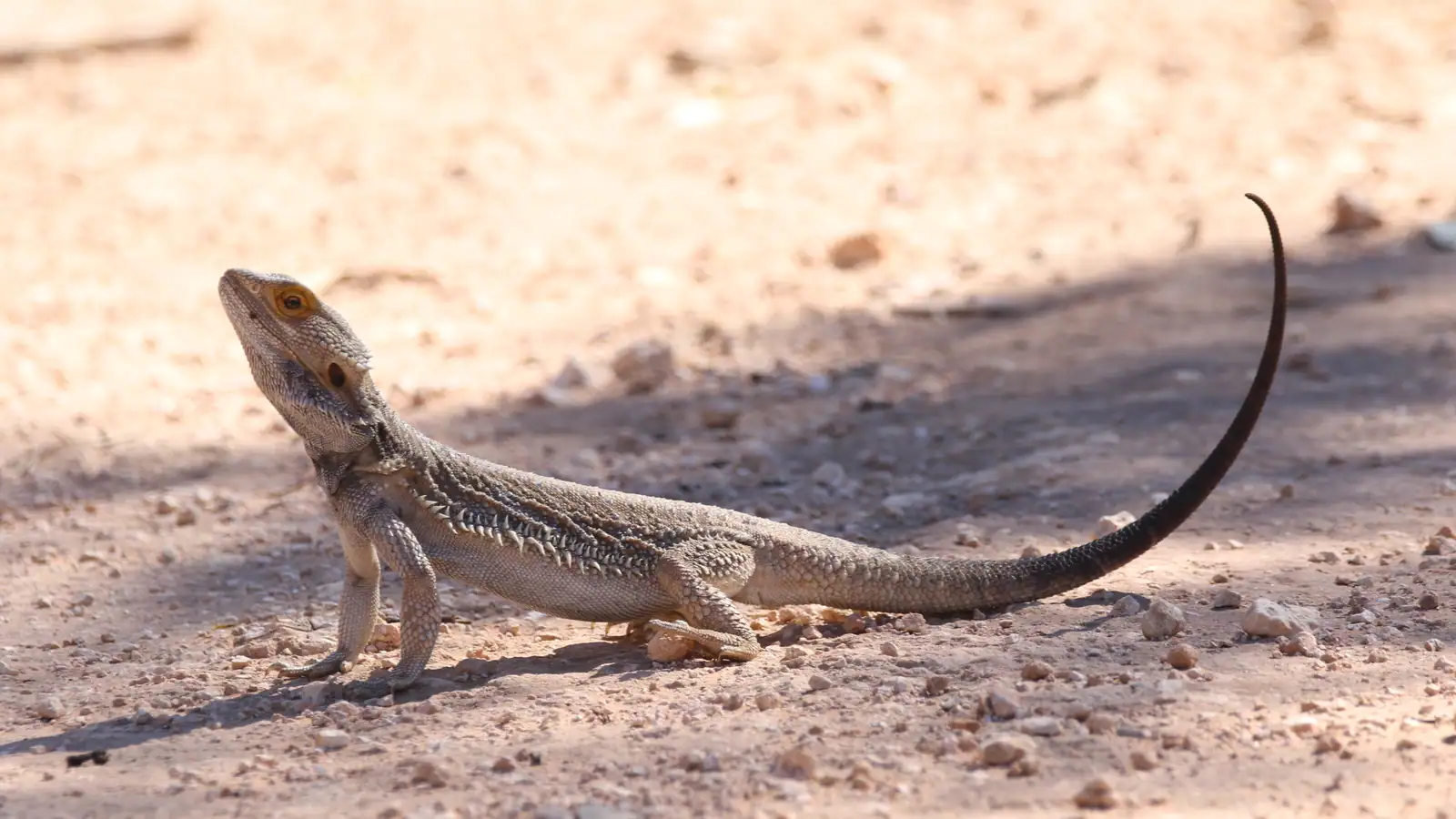
The arm wave is the best known. Slow circular wave of one forelimb while standing on three legs; used for species recognition and to show submission/appeasement - most often seen in younger or subordinate animals signalling they are not a threat. Owners often read it as a greeting, which is a kind reading of what is closer to a white flag. The arm waving guide covers when it appears and what triggers it in a single-dragon home.
Head bobbing is the opposite end of the same conversation. A fast head bob combined with an inflated, blackened beard signals male dominance (also used in mating displays); a slow bowing bob is used by adult females to signal submission to a male. Speed and beard color change the message, and the head bobbing guide separates the versions.
The beard
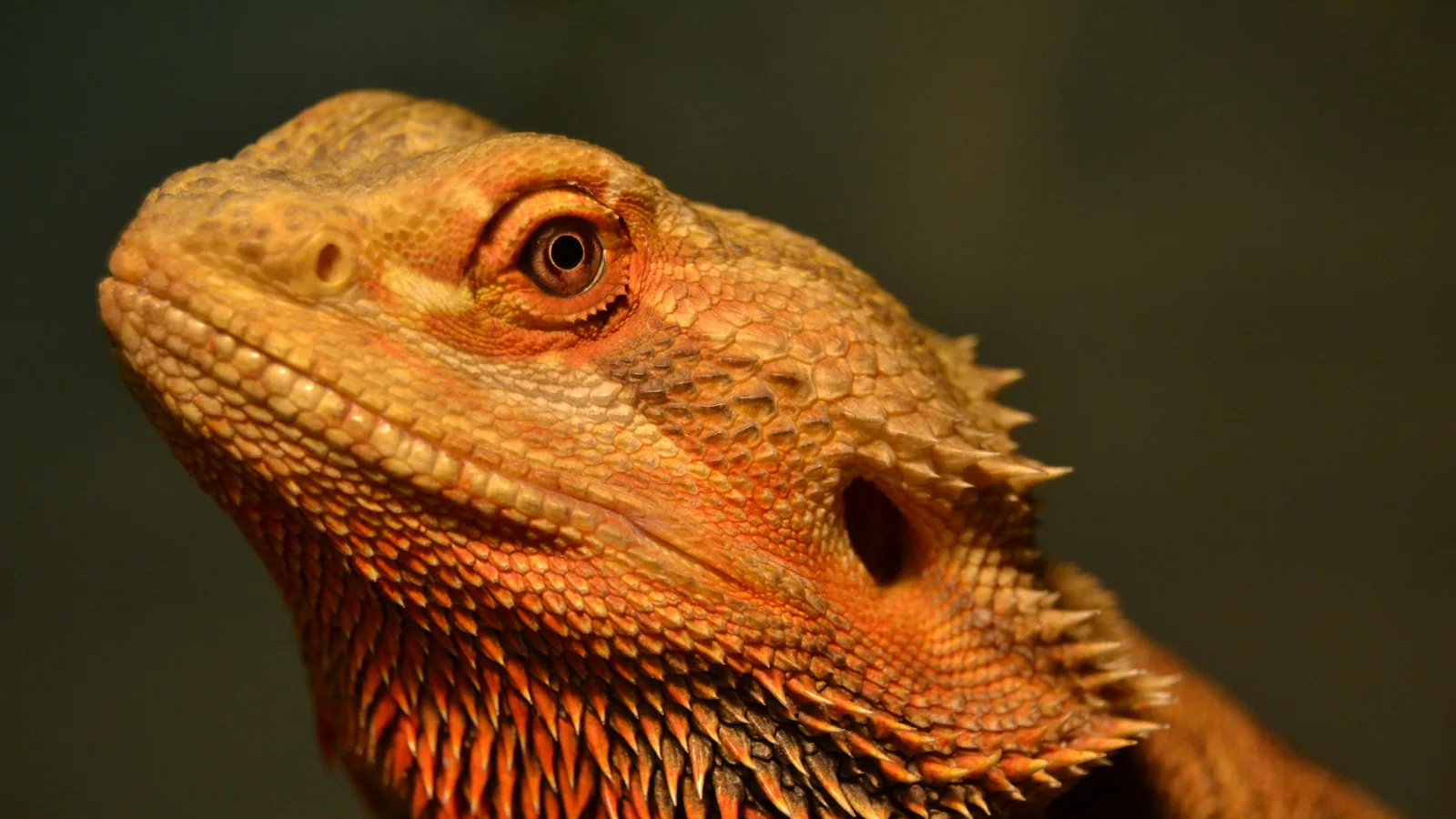
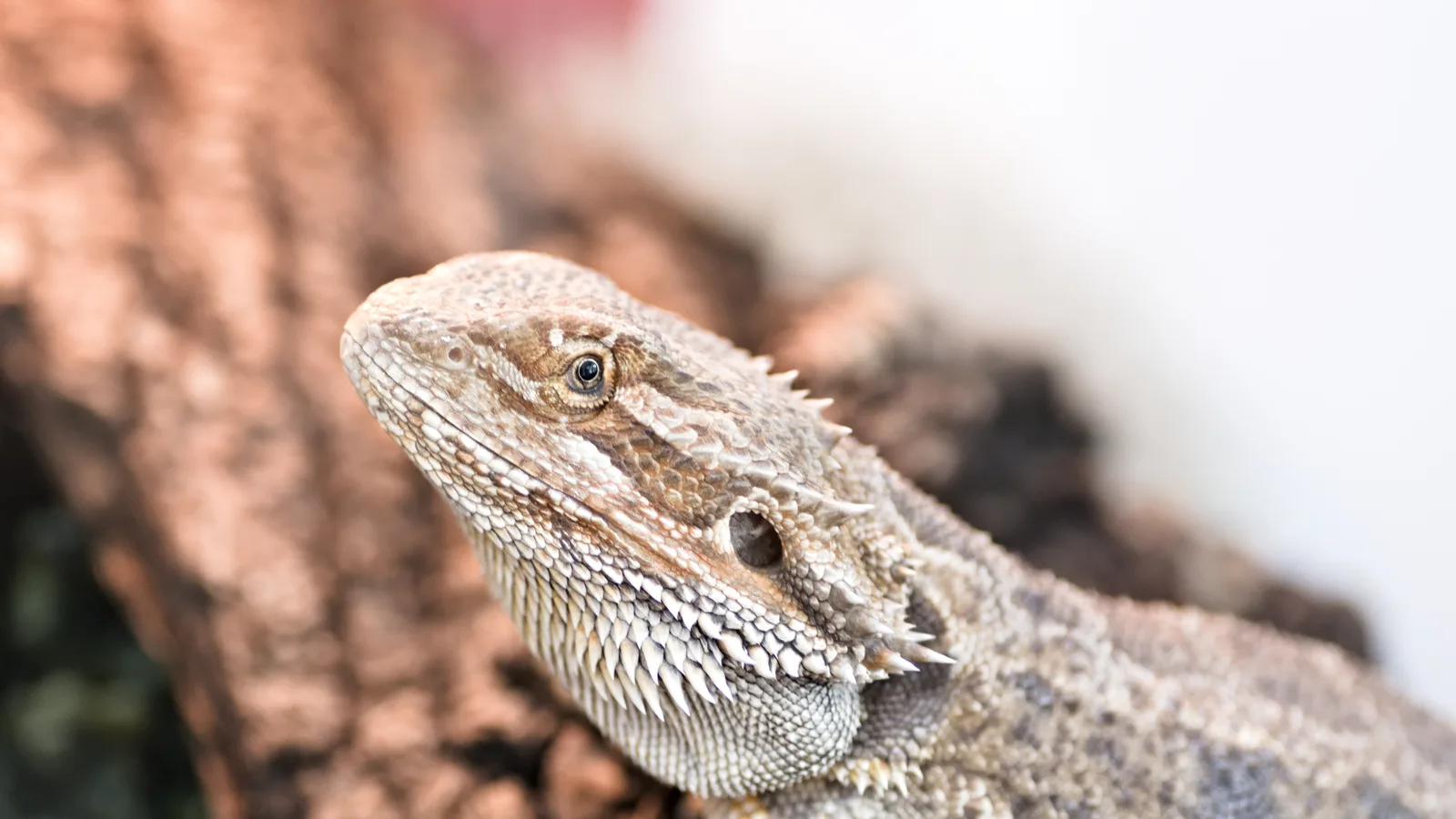
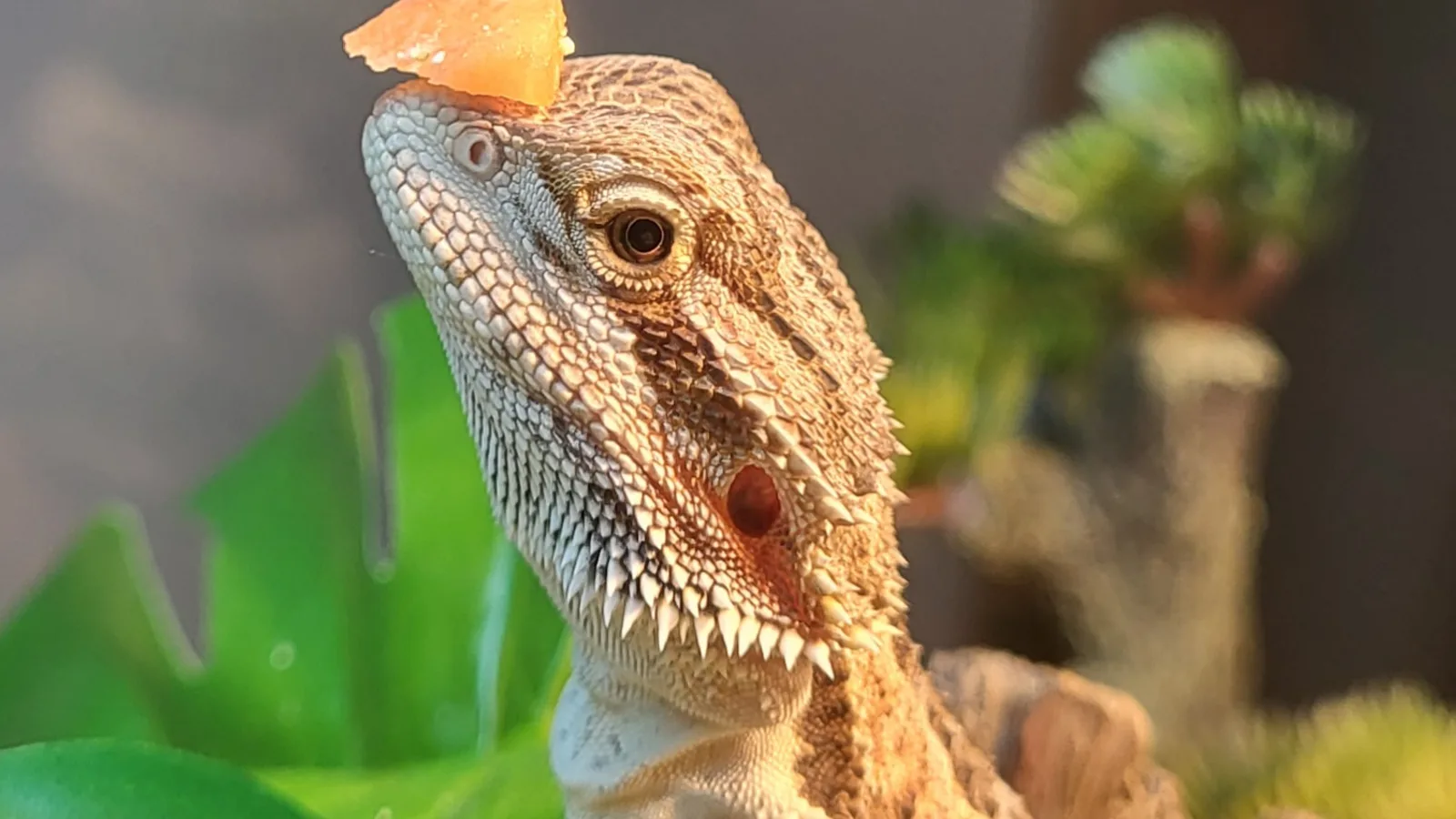
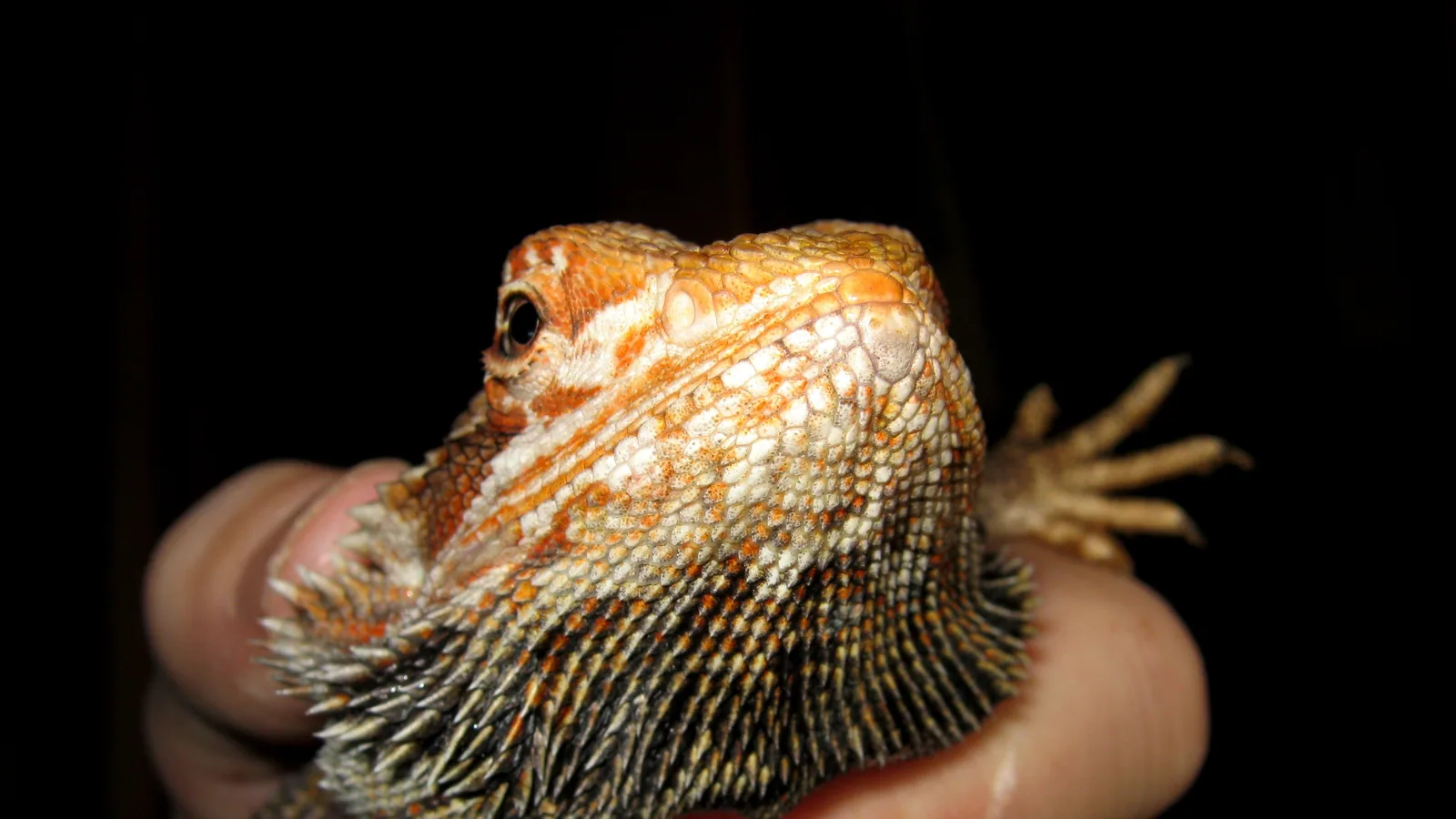
The beard is the species' name and its loudest signal. The beard turns dark to jet black and inflates during displays; used in both threat/aggression and courtship. When threatened, the dragon faces the intruder with mouth wide open and beard puffed out; darkening also occurs with stress, fear or mating arousal. Both sexes have a beard and can display it, but males display more frequently, especially in courtship. A black beard on a dragon alone in its tank usually means stress, a threat it perceives, or discomfort, and the black beard guide walks through the causes in order of likelihood, including the health ones.
Temperature behaviors
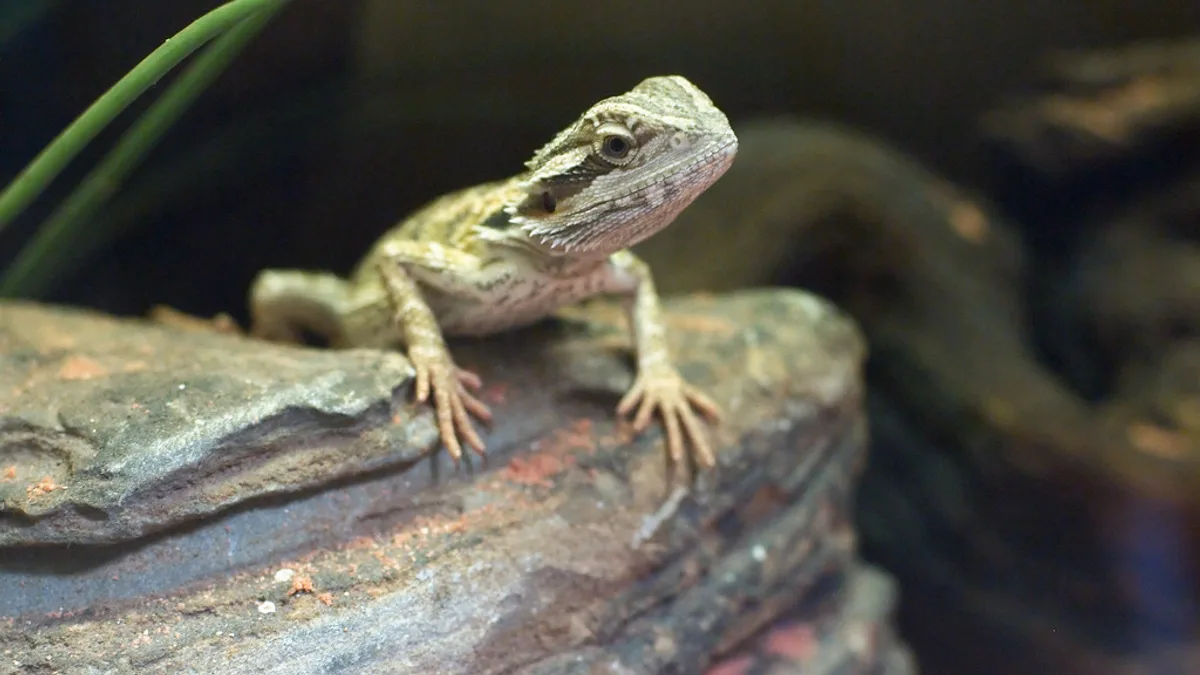
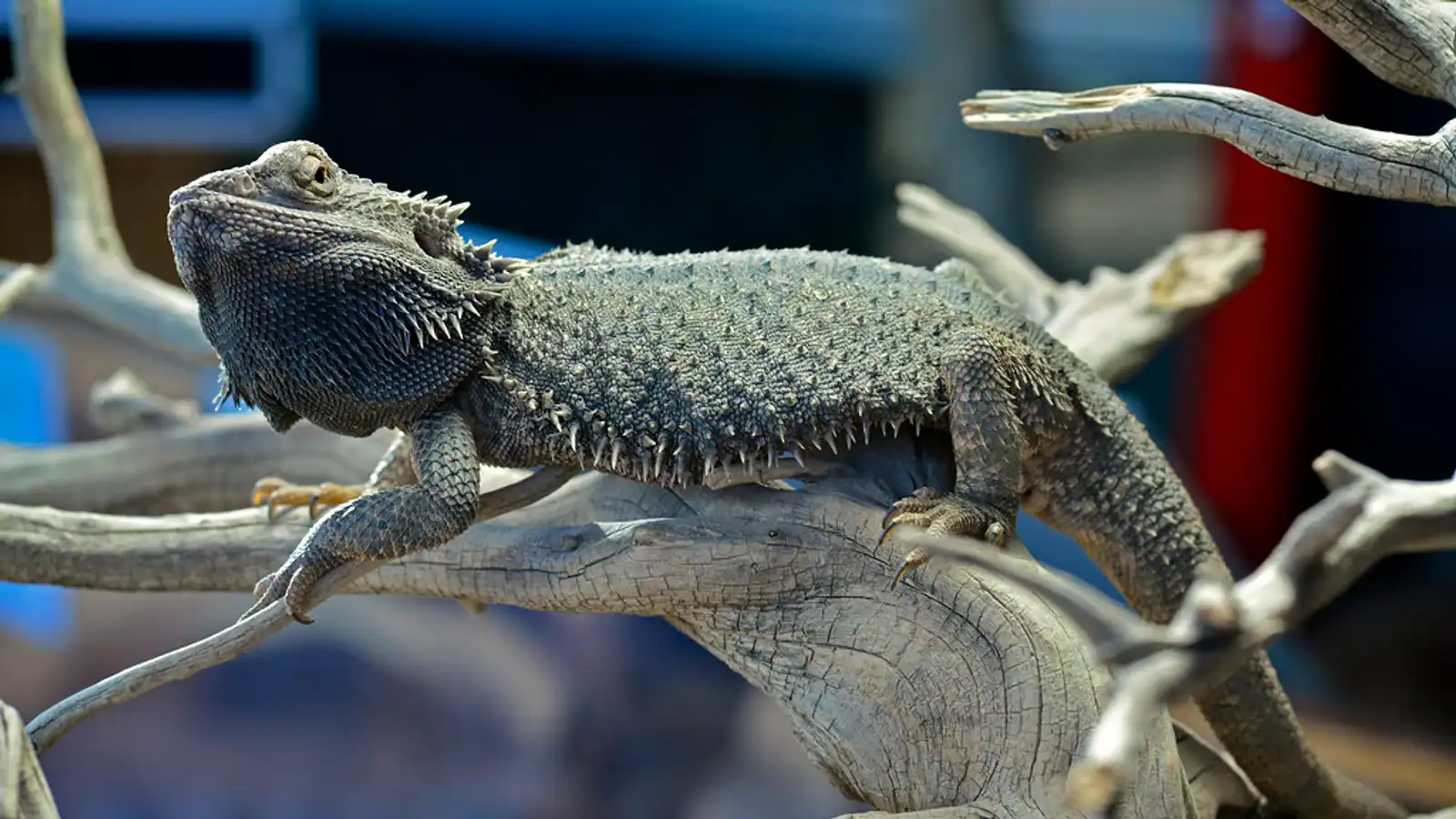
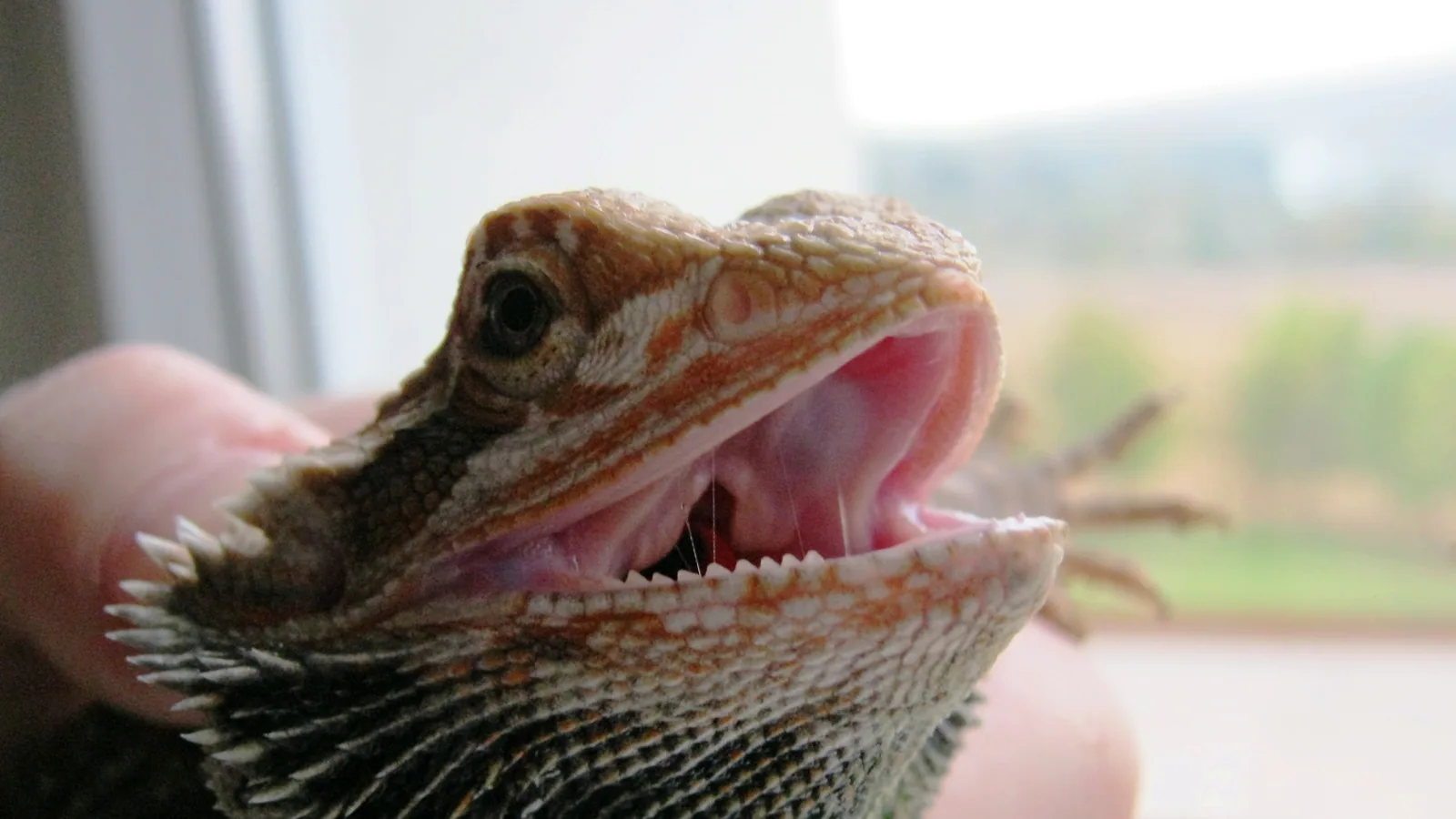
Several behaviors are physiology, not mood. Ectothermic; bask under heat sources to raise body temperature before activity and to maintain preferred body temperature, often perching on elevated sites for extended periods. Basking under the lamp with a flattened body is a dragon warming up for the day. Gaping is its counterpart: Bearded dragons often open their mouths (gape) while basking to expel excess heat - a thermoregulatory behavior. The mouth open guide explains when a gape is normal and when open-mouth breathing away from the heat means a respiratory problem. Color shifts belong here too: Bearded dragons regulate body temperature partly by changing shades of skin colour.
Stress and enclosure behaviors
Glass surfing worries new owners more than anything else. Repeatedly running along the enclosure walls ('glass surfing') can indicate stress, boredom, or a desire to explore. The glass surfing guide works through the enclosure fixes, since the tank is usually the cause.
Digging is natural and often seasonal. Digging is a natural behavior; captive enclosures should provide substrate that allows it. In females it can also mean eggs are coming, fertilized or not, which the digging guide explains along with the enclosure setup that lets a dragon dig safely.
Handling, biting, and affection
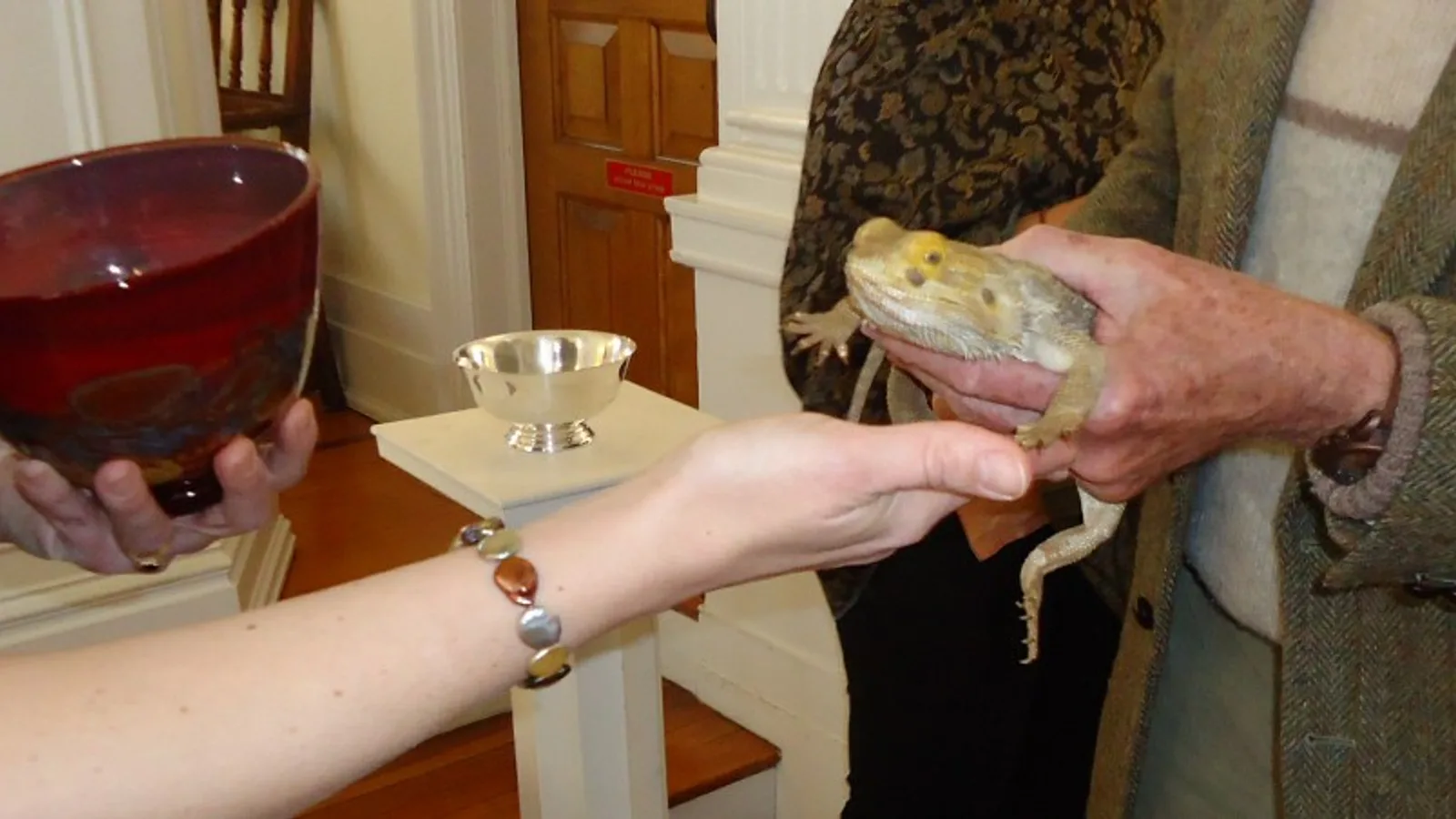
The species' reputation as a handleable pet is earned. Described as highly social with keepers, friendly, animated, curious, docile and gentle; docile and interactive when handled often. Bites are rare and mostly defensive; the biting guide covers the warning signs that come first, such as hissing and a flattened, black-bearded threat posture: When threatened they flatten the body and enlarge the throat, which can turn black. The harder question is affection. The petting guide looks at what tolerance and calm actually tell you, without claiming feelings no source documents.
Sleep and the seasons
Bearded dragons are daytime animals: Diurnal - active during the day Their sleep turned out to be scientifically remarkable. Bearded dragons show both REM and slow-wave sleep (first demonstrated in a reptile; Shein-Idelson et al., Science 352:590, 2016). Sleep cycle is ~80 seconds at 27 C (vs ~30 min in cats, 60-90 min in humans), with the two phases of roughly equal duration. The sleep guide covers positions, light schedules, and that research. Seasonal slowdown is the other sleep story: During cooler seasons bearded dragons slow down, sleep more and eat less (brumation) Because it overlaps with illness, brumation lives in the health section.
For everything at once, the body language decoder puts posture, beard, mouth, and movement into one reference.
Quick reference: what the behavior means
| Behavior | Documented meaning |
|---|---|
| Slow arm wave | Appeasement, species recognition, submission |
| Fast head bob, black beard | Dominance or mating display |
| Black inflated beard, flattened body | Threat, stress, or perceived danger |
| Open mouth under the lamp | Cooling by evaporation |
| Open mouth away from heat, at rest | Possible respiratory problem, see a vet |
| Running along the glass | Stress, boredom, or enclosure problems |
| Digging | Natural behavior; nesting or brumation prep |
| Hissing | Warning before a bite |
Source note: behavior meanings from RSPCA, VCA, Animal Diversity Web, and the exotics veterinary sources cited in each linked guide.