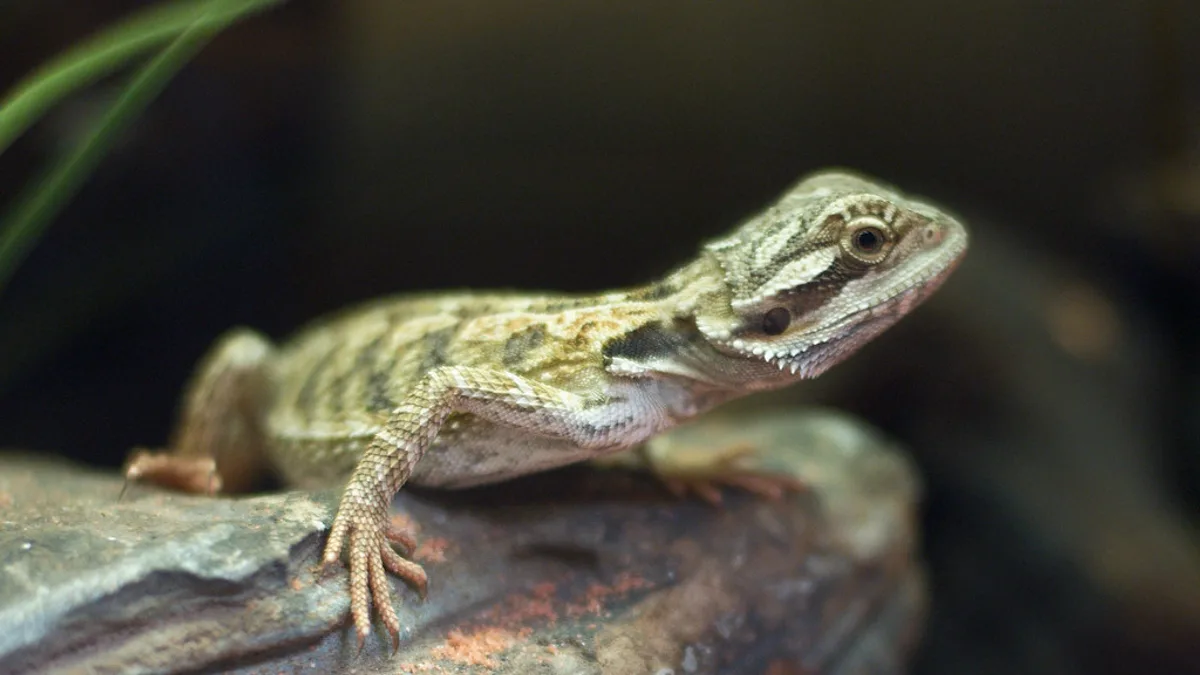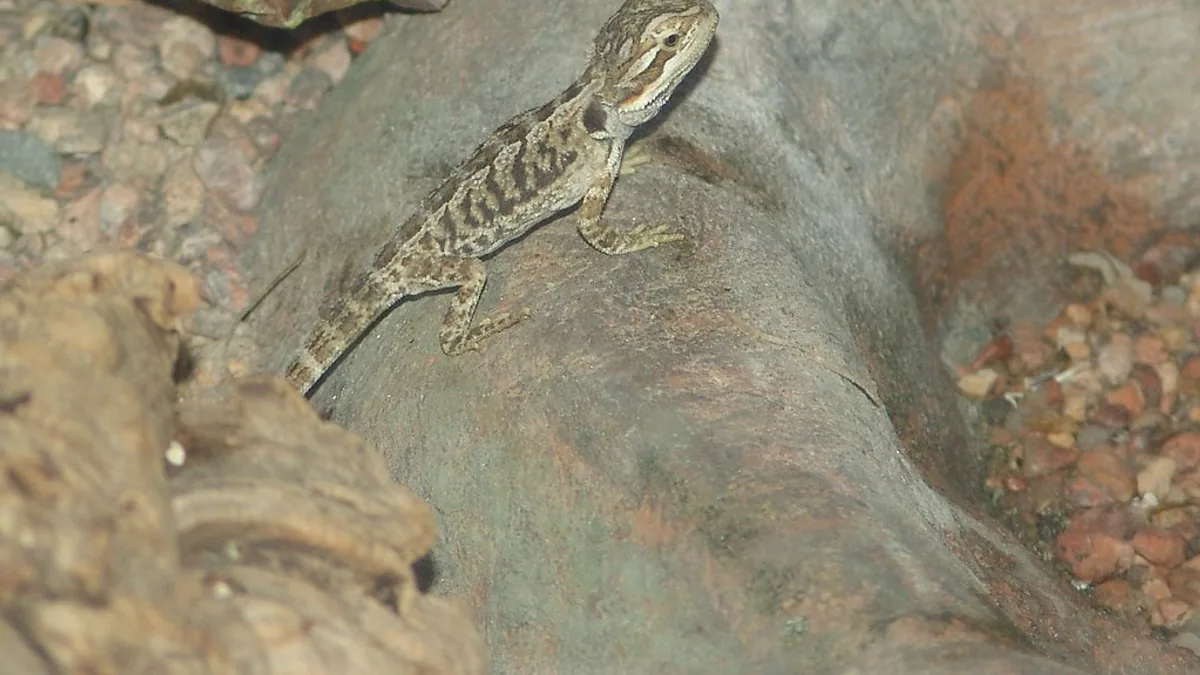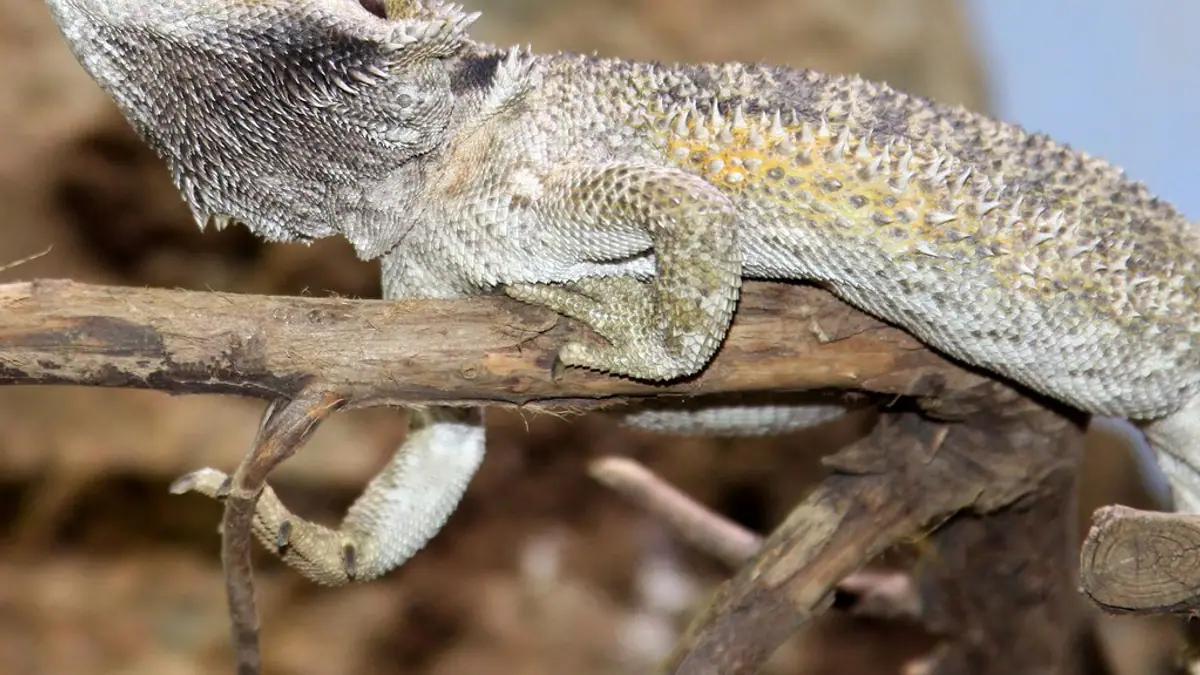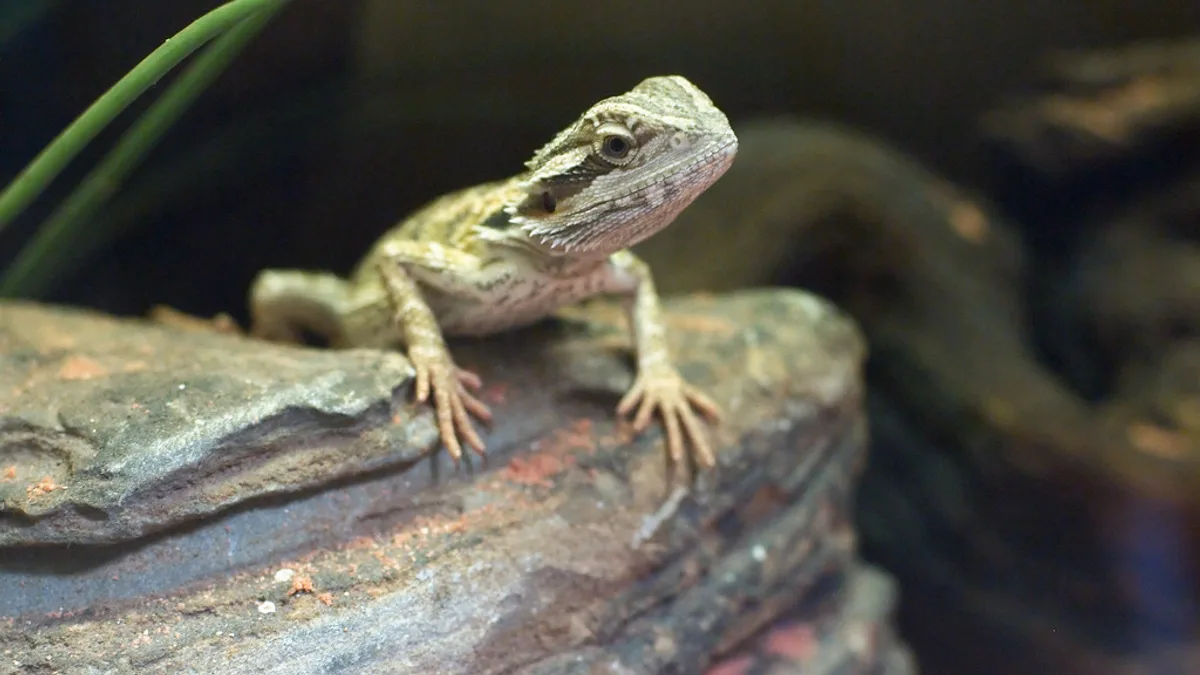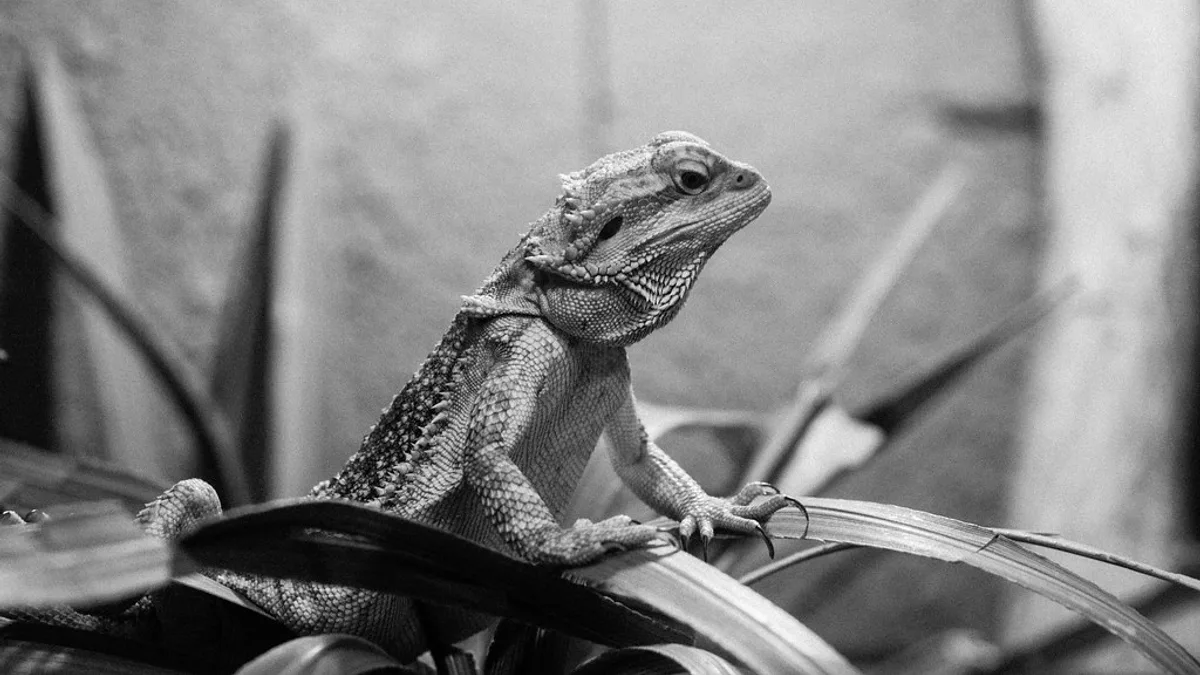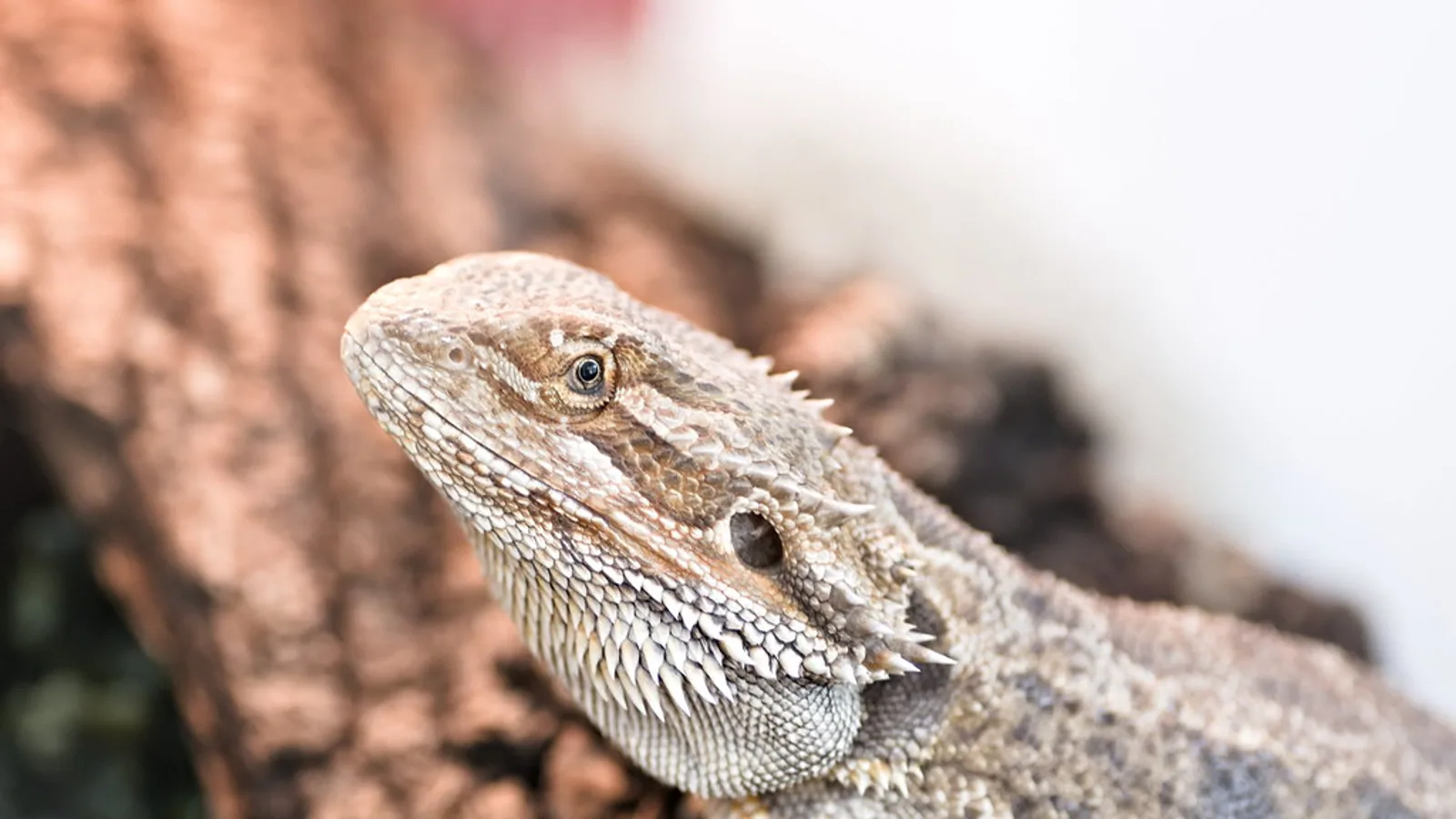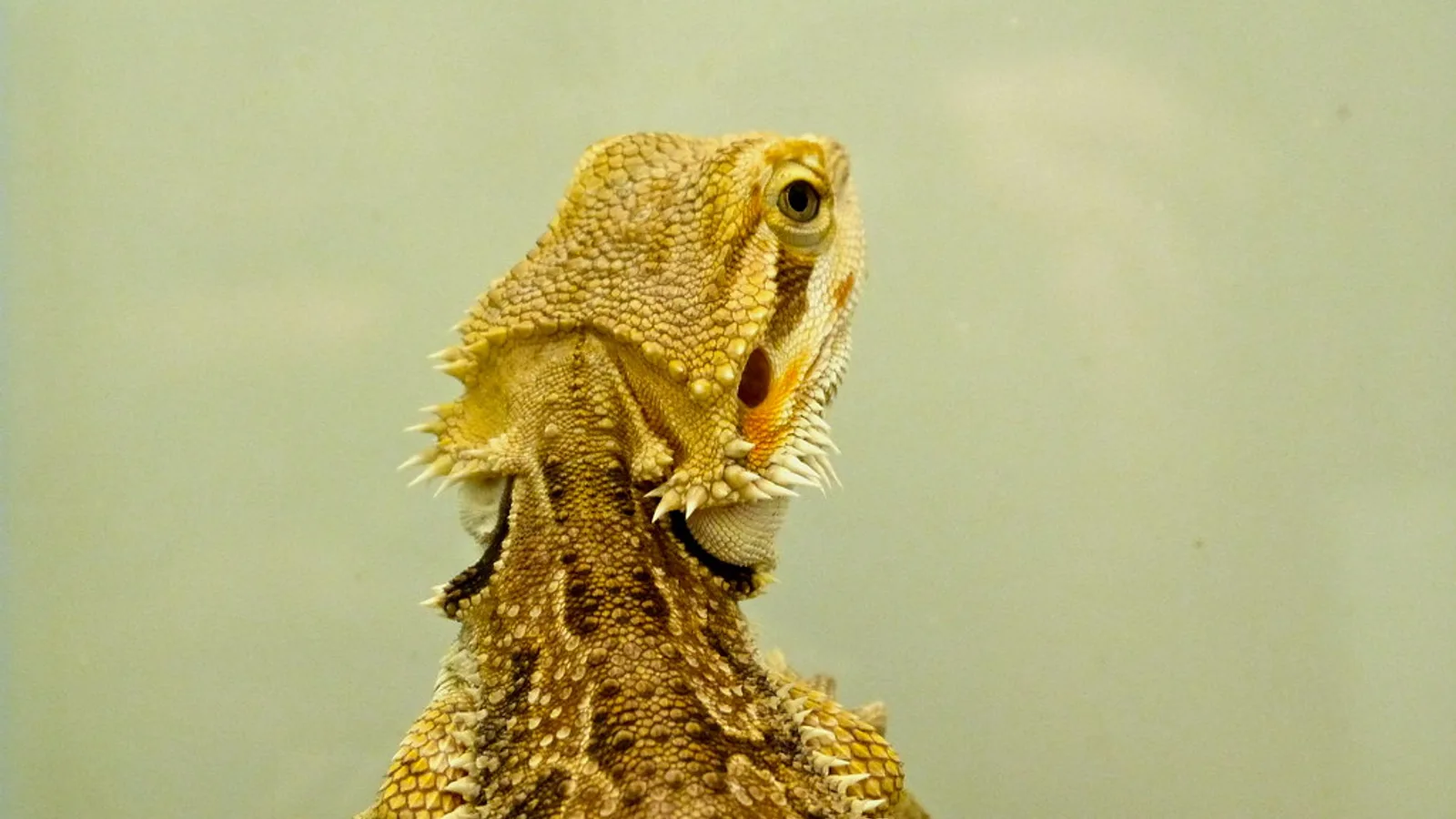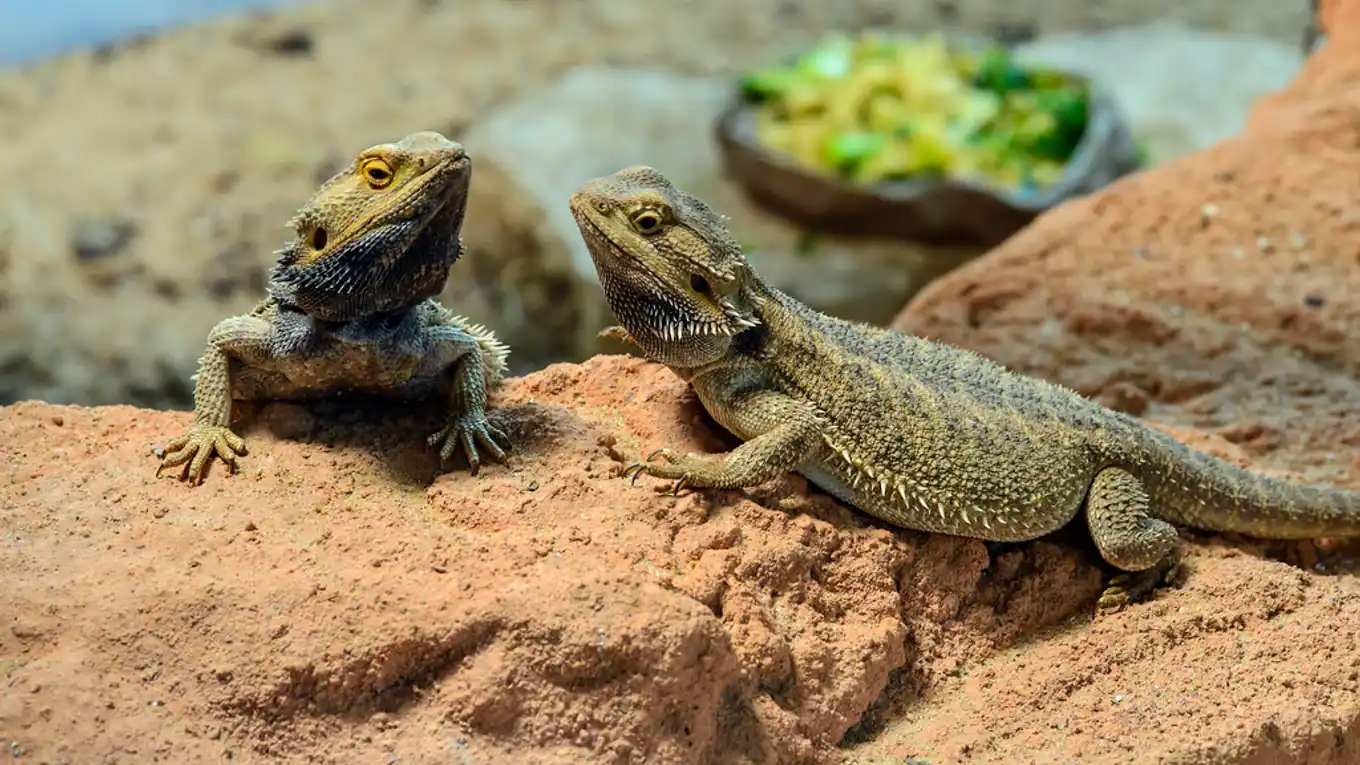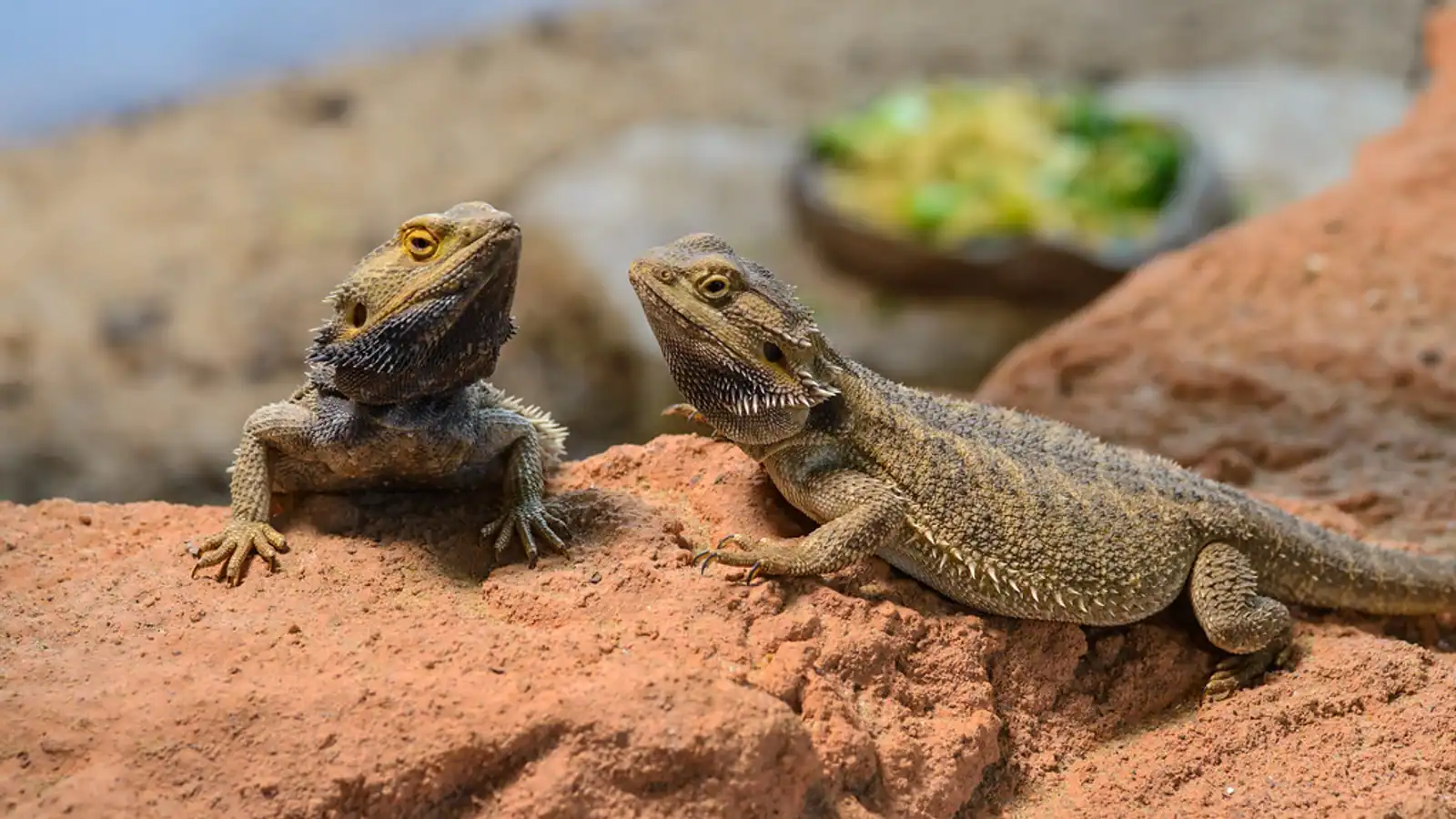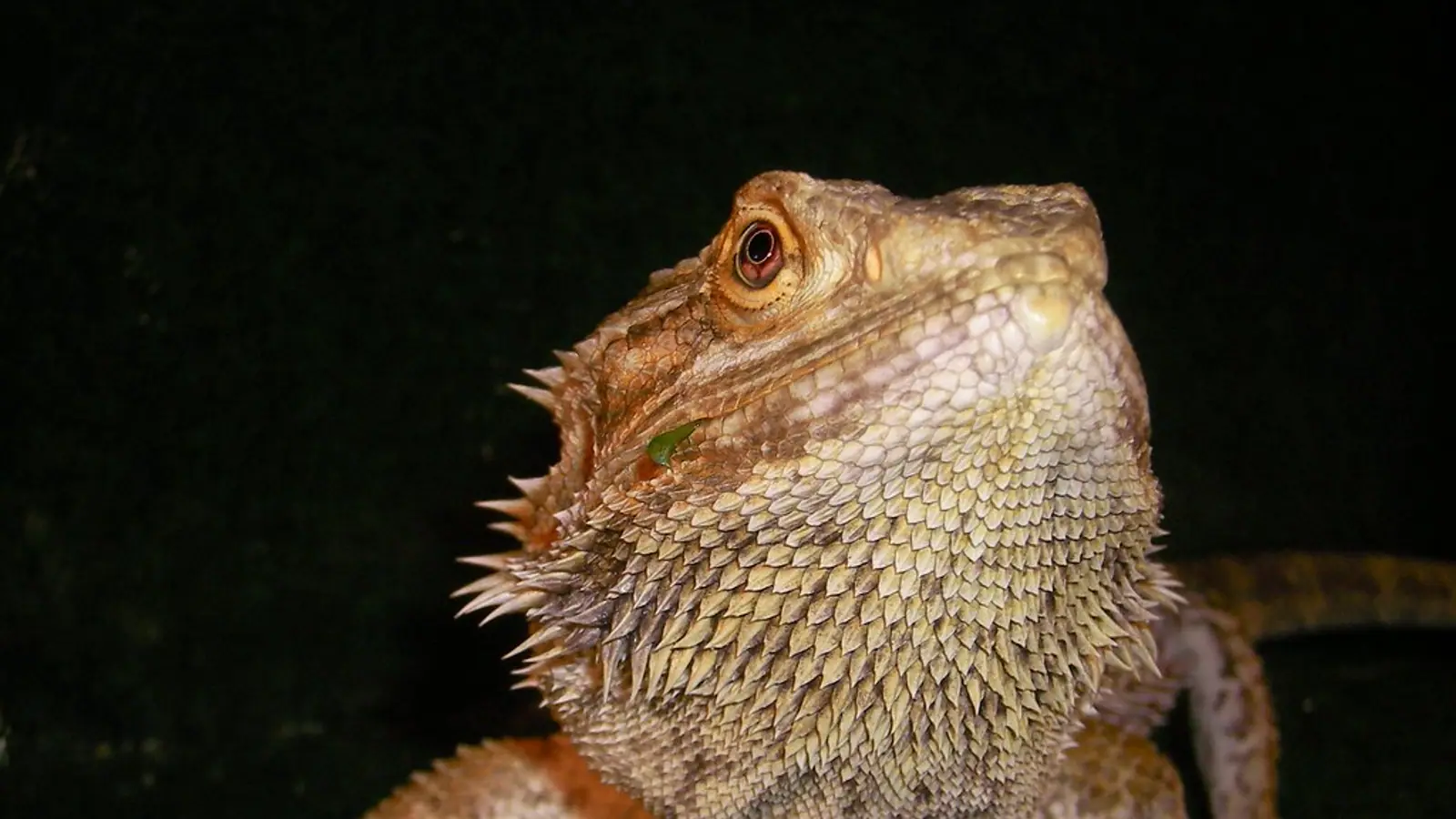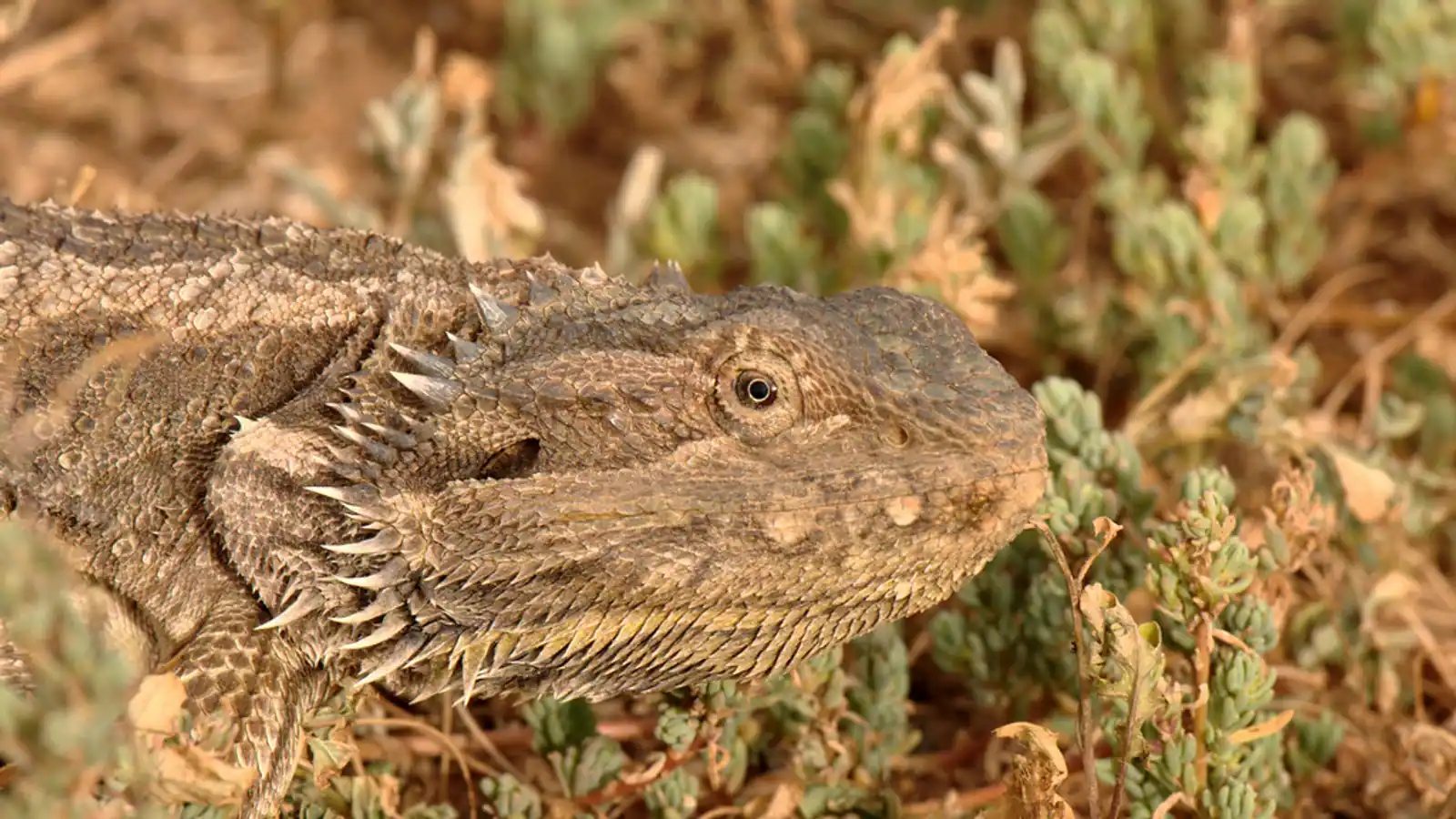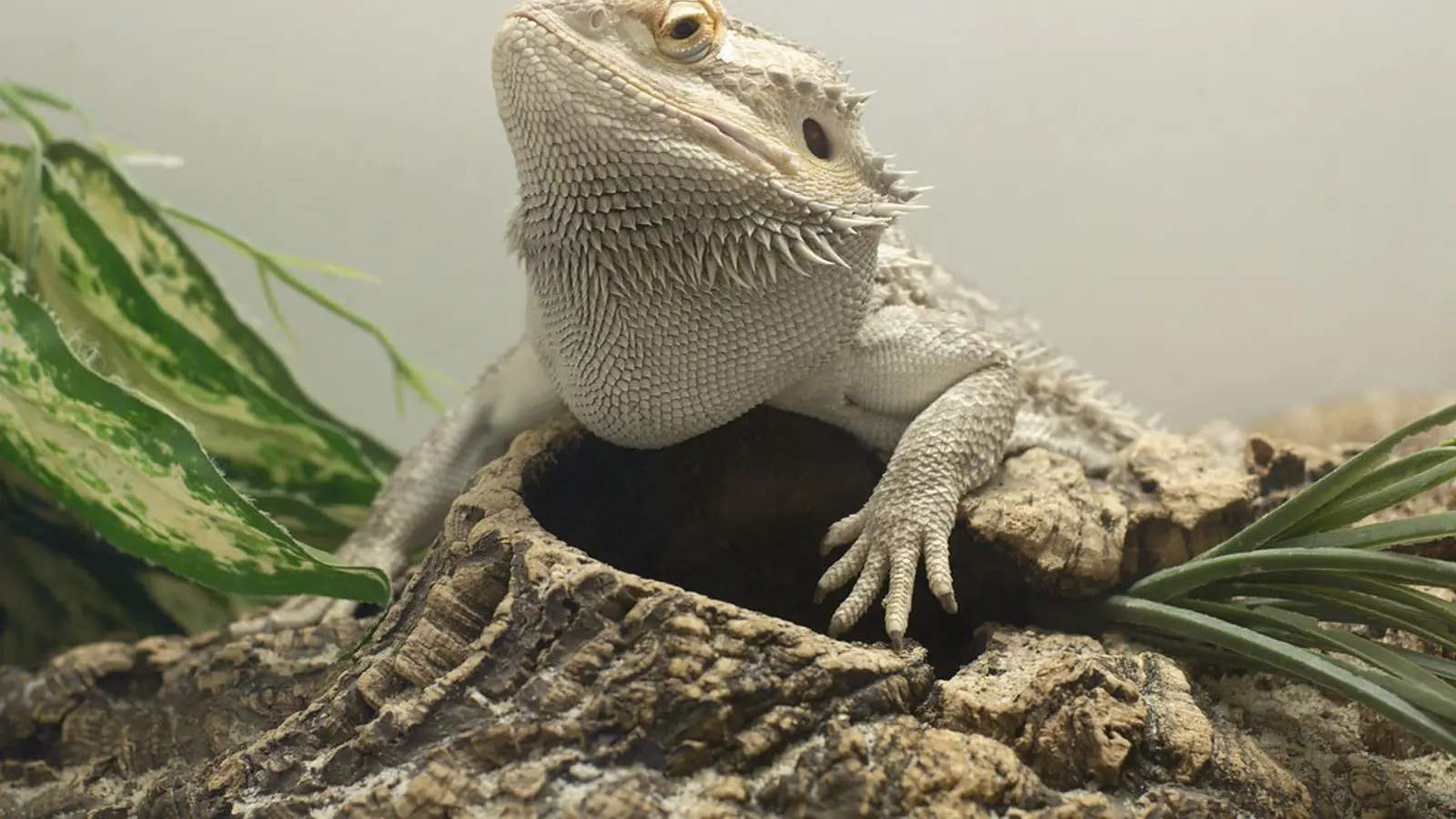
The Complete Bearded Dragon Care Resource

Feeding, habitat, health, behavior, and costs for Pogona vitticeps, researched from veterinary organizations and cited on every article.

7 to 15 years
Typical pet lifespan
18 to 24 inches
Adult length
95 to 110 F
Basking zone
6 species
In the genus Pogona

Bearded Dragons Info exists to answer every bearded dragon question in one place, with facts that trace to veterinary schools, animal welfare organizations, and government sources rather than to other blogs. Read how we research.
Quick answers

The questions owners ask most, answered in two sentences.

How long do bearded dragons live?

Pet dragons typically reach 7 to 15 years with proper care, and the documented record stands at 18 years.

Read the full guide

What do bearded dragons eat?

A mix of live insects and vegetables that shifts with age. Hatchlings eat mostly insects, while adult diets flip toward leafy greens with fruit held to about 5 percent of the diet at most.

Read the full guide

What size tank does a bearded dragon need?

Adults need 40 gallons at minimum, with 60 to 100 gallons widely recommended. RSPCA guidance calls for a vivarium at least 120 cm long by 60 cm wide by 60 cm high.

Read the full guide

Do bearded dragons need UVB light?

Yes, daily. UVB drives the vitamin D3 they need to absorb calcium, and bulbs need replacing every 6 to 12 months even while they still glow.

Read the full guide

Why is my bearded dragon's beard black?

A darkened, puffed beard signals arousal or stress: threat displays, dominance, breeding behavior, or discomfort. Context and other body language tell you which one.

Read the full guide

Are bearded dragons good pets for beginners?

They are docile and handleable, and they also need 10 to 15 or more years of specialist lighting, heating, and feeding. The honest pros and cons are worth reading first.

Read the full guide

Why you can trust this site

Sourced from veterinary organizations

Our facts come from vet schools, veterinary hospitals, and government agencies, not from other blogs.

How we research

Fact-checked against 87 sources

Every article lists the sources behind it, and every safety-critical fact is verified against multiple authorities.

Our sourcing approach

Corrections welcome

Spot something wrong? Tell us and we fix it. Our correction process is public and taken seriously.

Report an error

New to bearded dragons?

Start with the complete care guide and get the basics right from day one.

Read the Care Guide

Common questions

Is a bearded dragon right for me?

They suit owners who want a calm, handleable reptile and can commit to 10 to 15 or more years of daily light cycles, feeding, and temperature checks. Our guide on bearded dragons as pets covers the honest downsides too.

How much does a bearded dragon cost to keep?

The animal itself is only the start. The equipment list includes a large vivarium, UVB tube, basking lamp, thermometers, and supplements, with UVB bulbs replaced every 6 to 12 months. The setup cost guide itemizes everything.

Do bearded dragons like being handled?

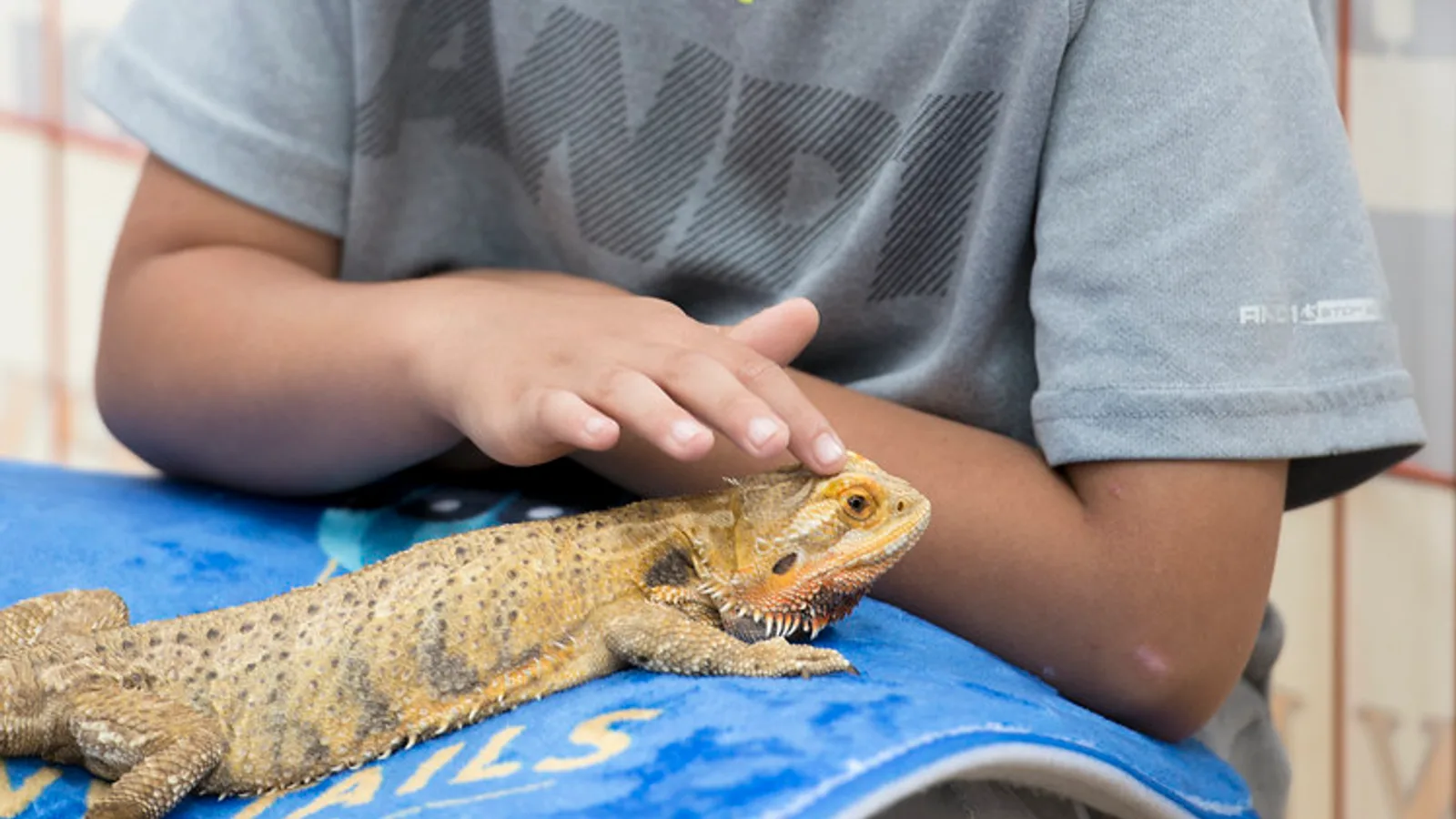
Most tolerate and many actively accept calm handling, which is a big part of their popularity. Support the whole body from underneath and never grab from above. The handling guide shows the safe technique.

Can bearded dragons make you sick?

Reptiles can carry Salmonella while looking healthy. The CDC advises washing hands at least 20 seconds with soap and water after handling and keeping dragons out of kitchens. Children under 5 face the highest risk.

How often should a bearded dragon see a vet?

Healthy bearded dragons should have a veterinary wellness examination once every year, ideally bringing a fresh fecal sample for parasite screening; regular annual checkups plus proper environment help catch and prevent illness early. A new dragon should also be checked within 48 hours of purchase.

Where do bearded dragons come from?

Inland Australia. Wide range of arid to semi-arid habitats: deserts, dry forests, scrublands, low open woodland and low shrubland; semiarboreal. Australia banned live animal exports in 1982, so pet dragons worldwide are captive-bred. The origins guide tells the full story.