

How bearded dragon feeding actually works
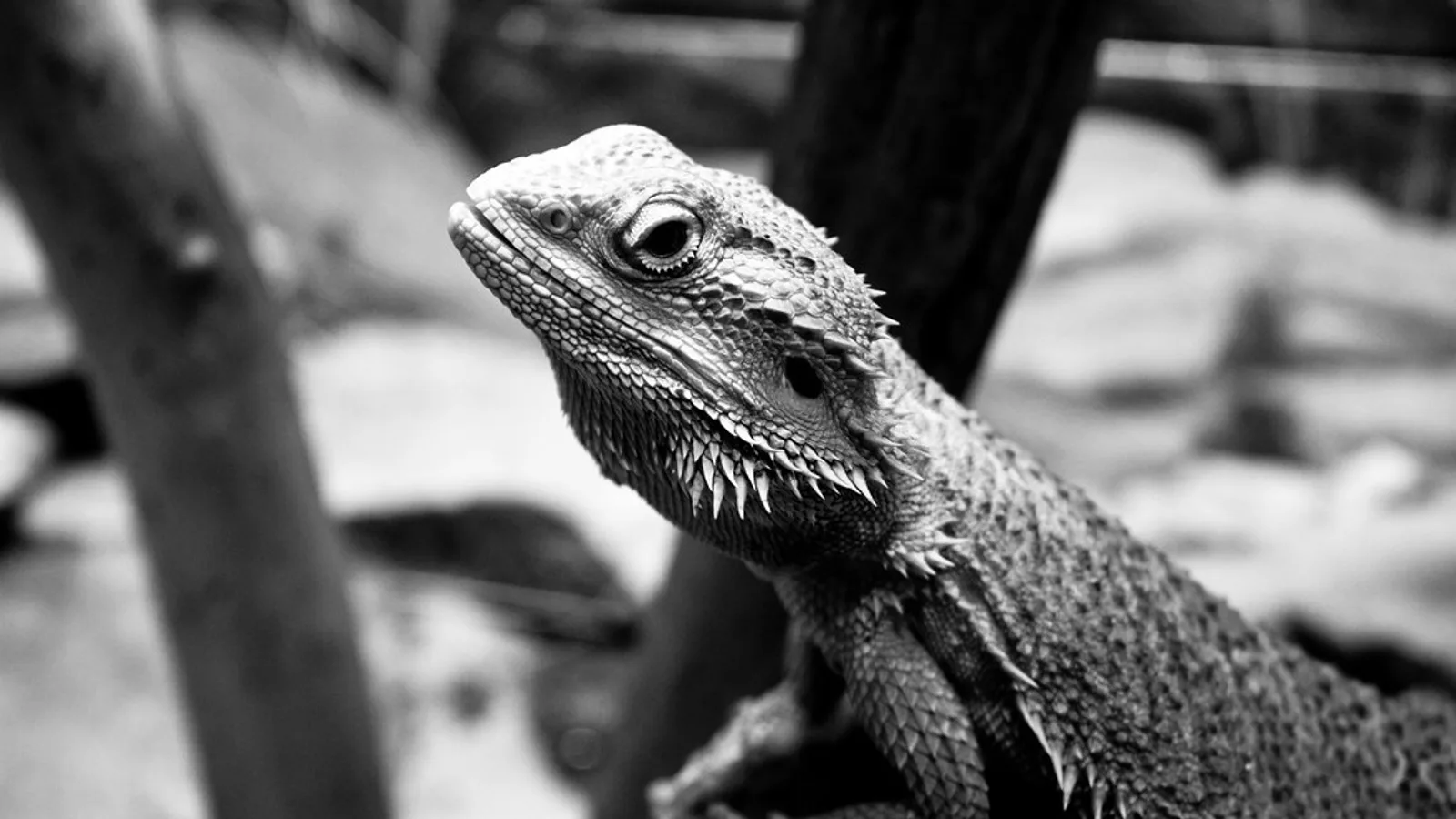
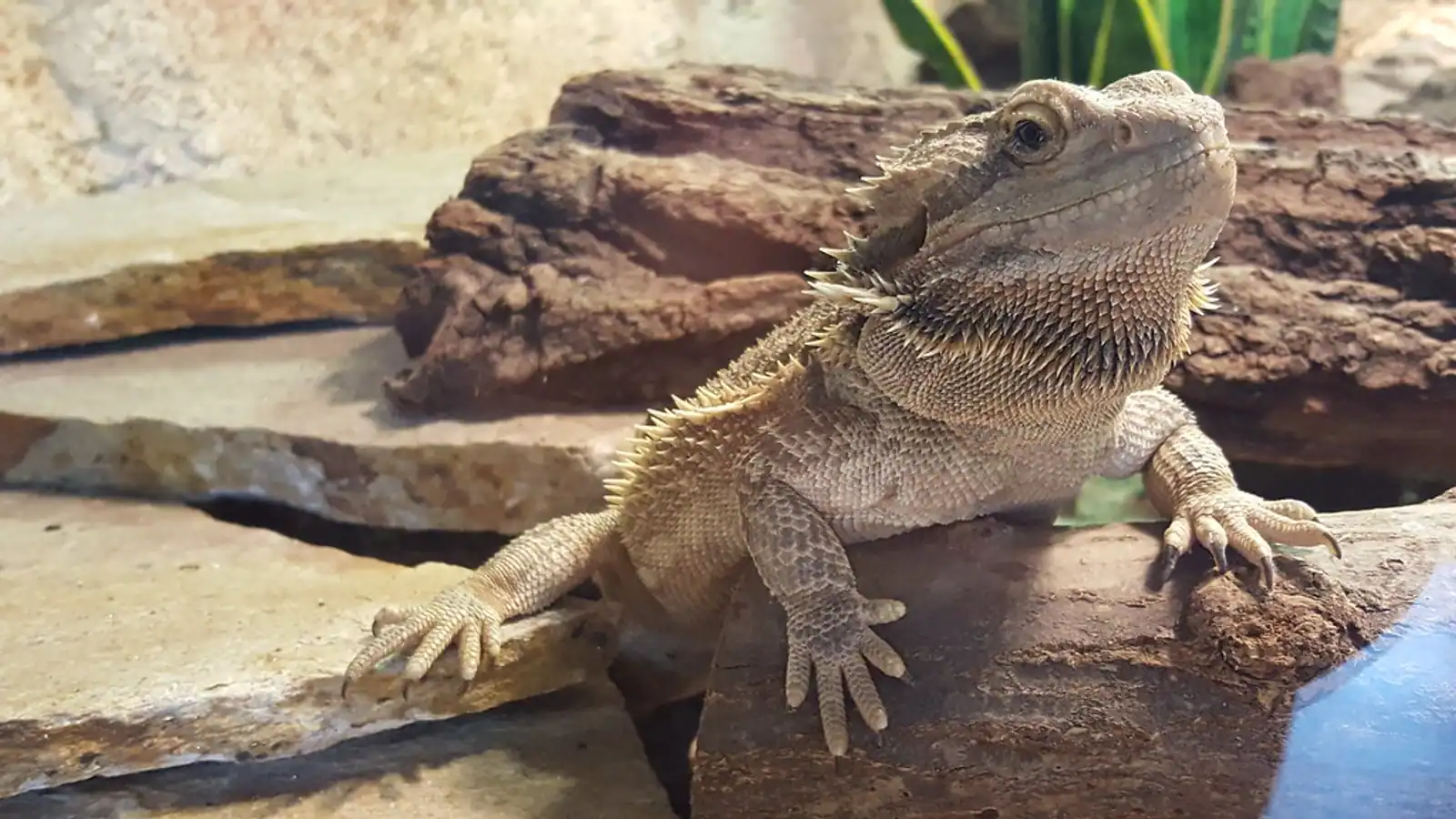
Every feeding question comes back to one principle: the diet shifts with age. Diet shifts with age: hatchlings/young juveniles eat roughly 70% insects / 30% vegetation, flipping in adulthood to mostly vegetation (RSPCA Australia: adults ~90% vegetation / 10% animal matter; PetMD: adults 70-80% plants) Feed an adult like a hatchling and you get an obese dragon with organ problems. Feed a hatchling like an adult and you starve a growing skeleton of protein and calcium.
Frequency follows the same curve. Hatchlings (under 1-2 months) should be fed 2-3 times daily, primarily appropriately sized live insects (flightless fruit flies, gut-loaded pinhead crickets, mashed vegetables) Juveniles 1-4 months old should be fed twice daily (crickets, veggies, occasional super/mealworm) Adults settle down to every day or every other day. The feeding schedule guide lays out the full timetable by age band.
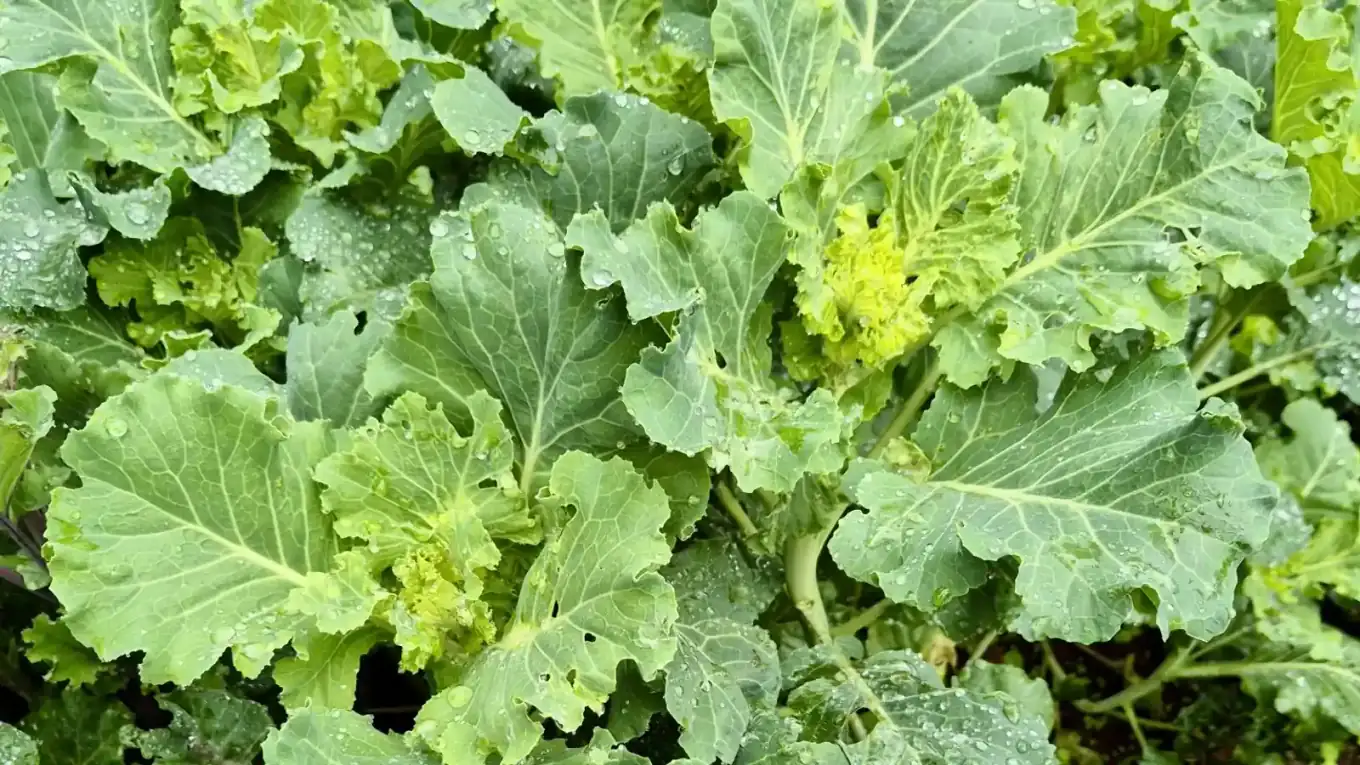
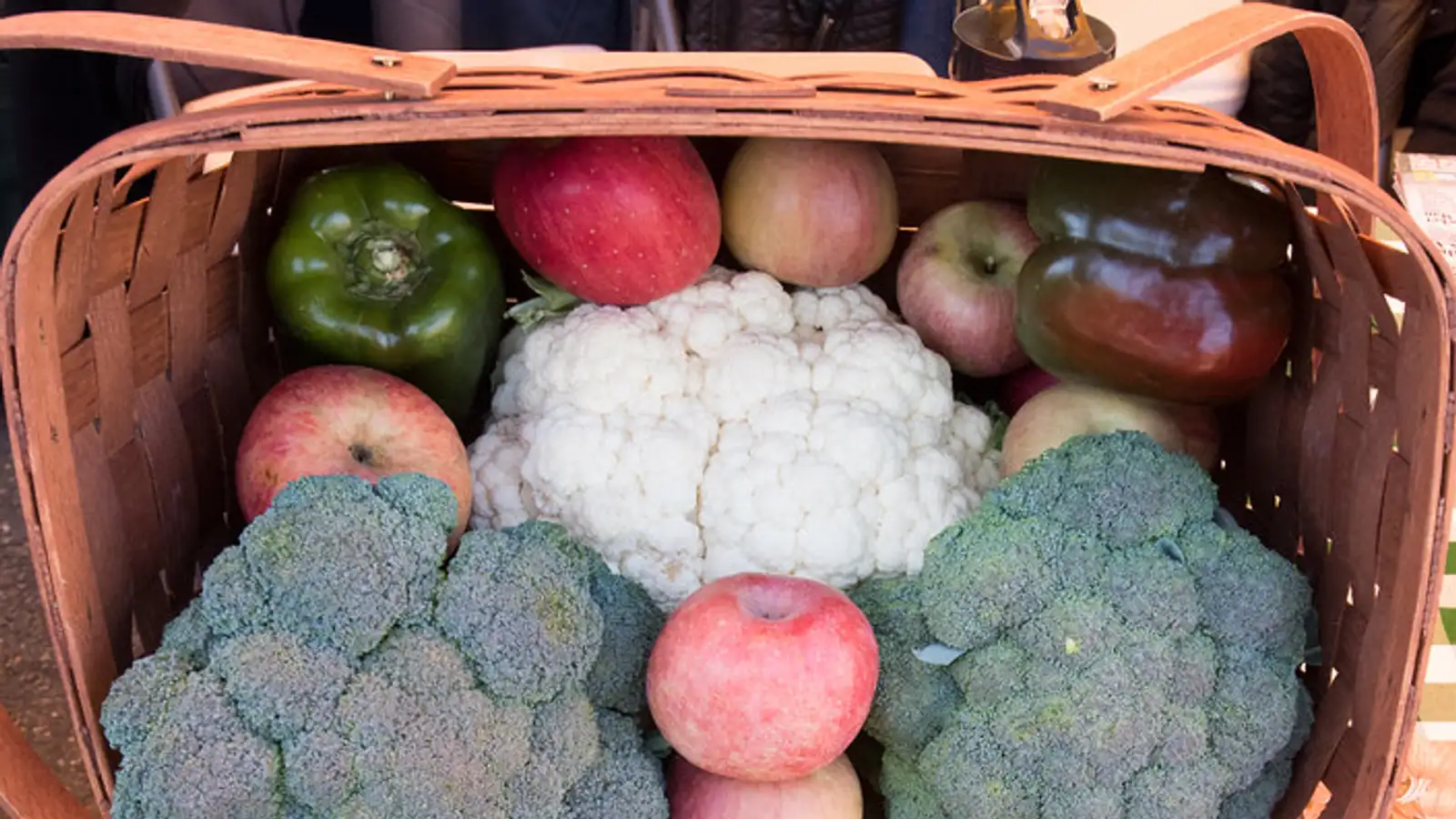
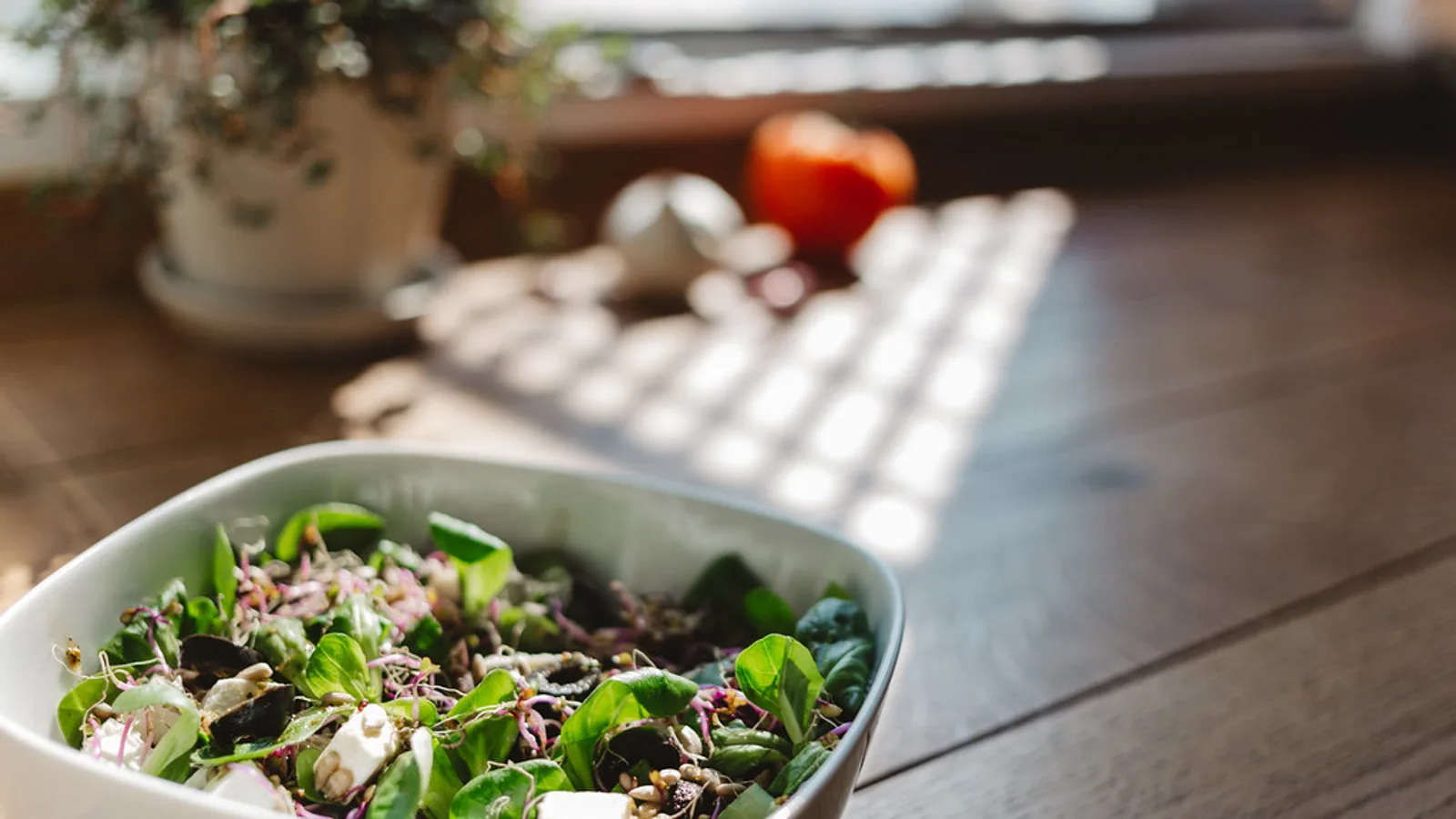
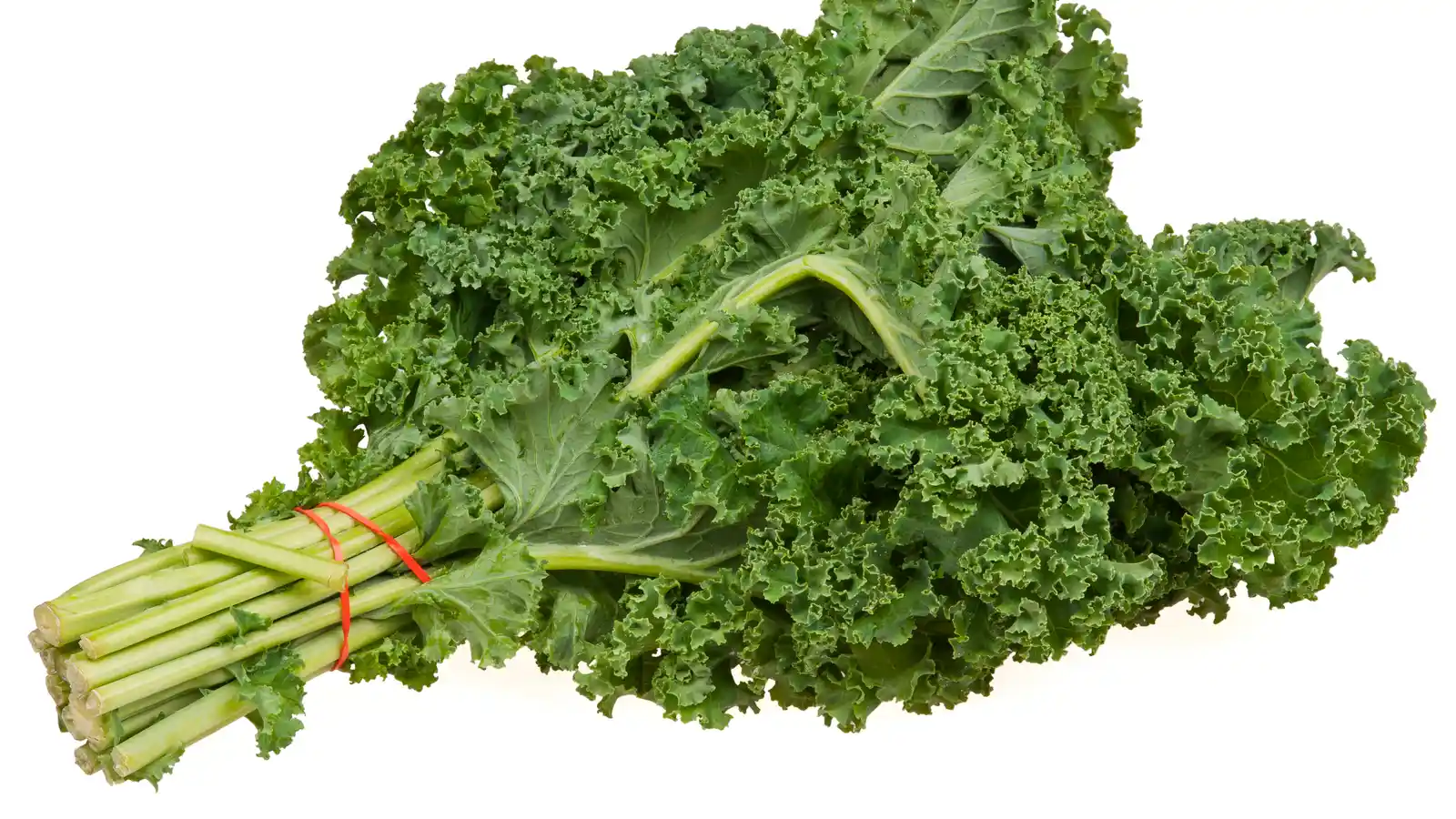
On the plant side, quality matters as much as quantity. 80-90% of the plant material fed should be leafy green vegetables; fruit plus yellow/red/orange vegetables should be only 10-20% of the plant portion. The heavy hitters are calcium-rich staples: Calcium-rich staple greens include collard greens, mustard greens, turnip greens, and dandelion greens. Some popular greens come with caveats: Swiss chard, spinach, and beet greens should be fed sparingly because they contain oxalates, which can bind calcium and other trace minerals and prevent their absorption. The vegetable list sorts staples from occasional items, and the fruit guide does the same for sweet treats.
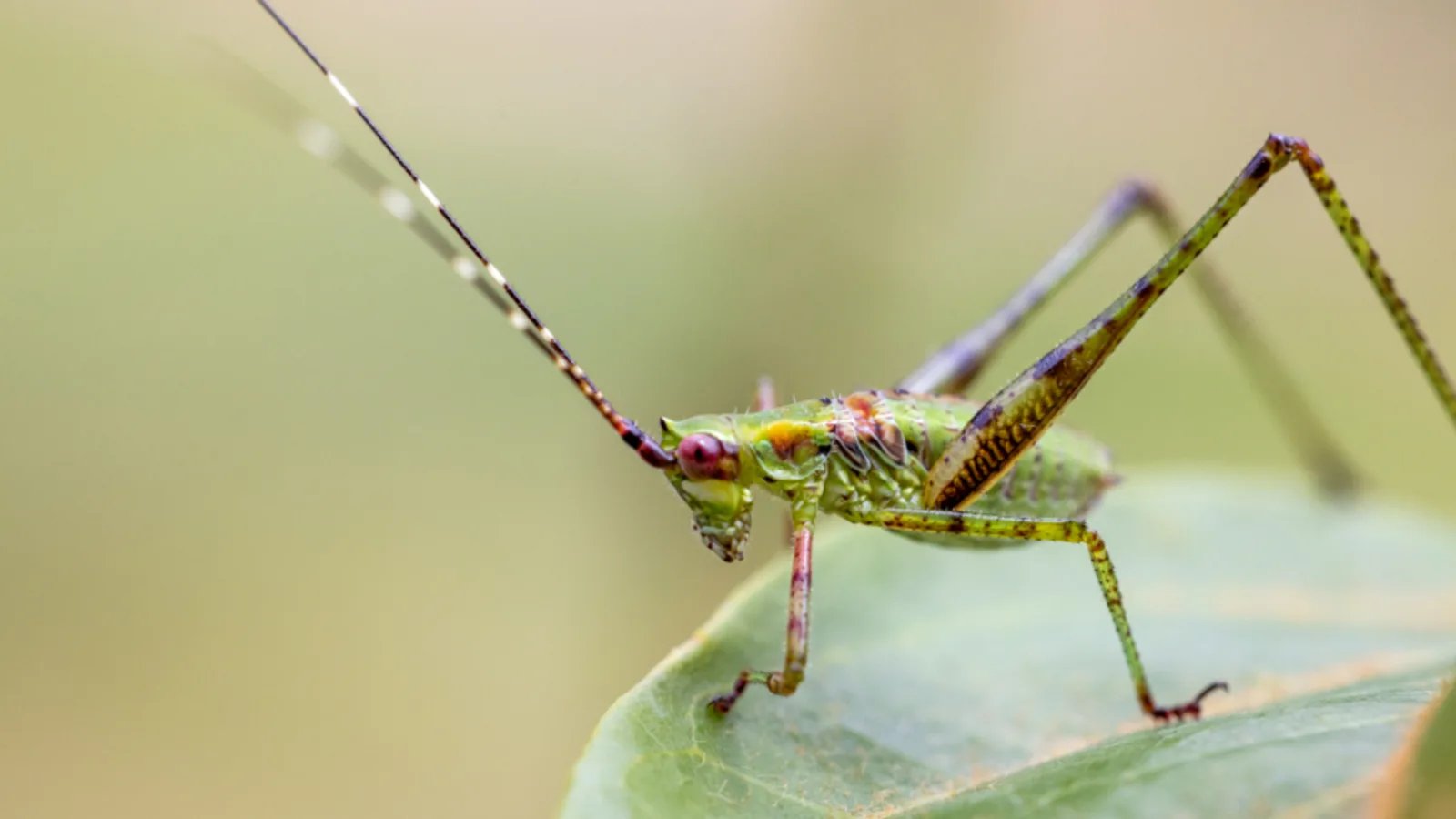
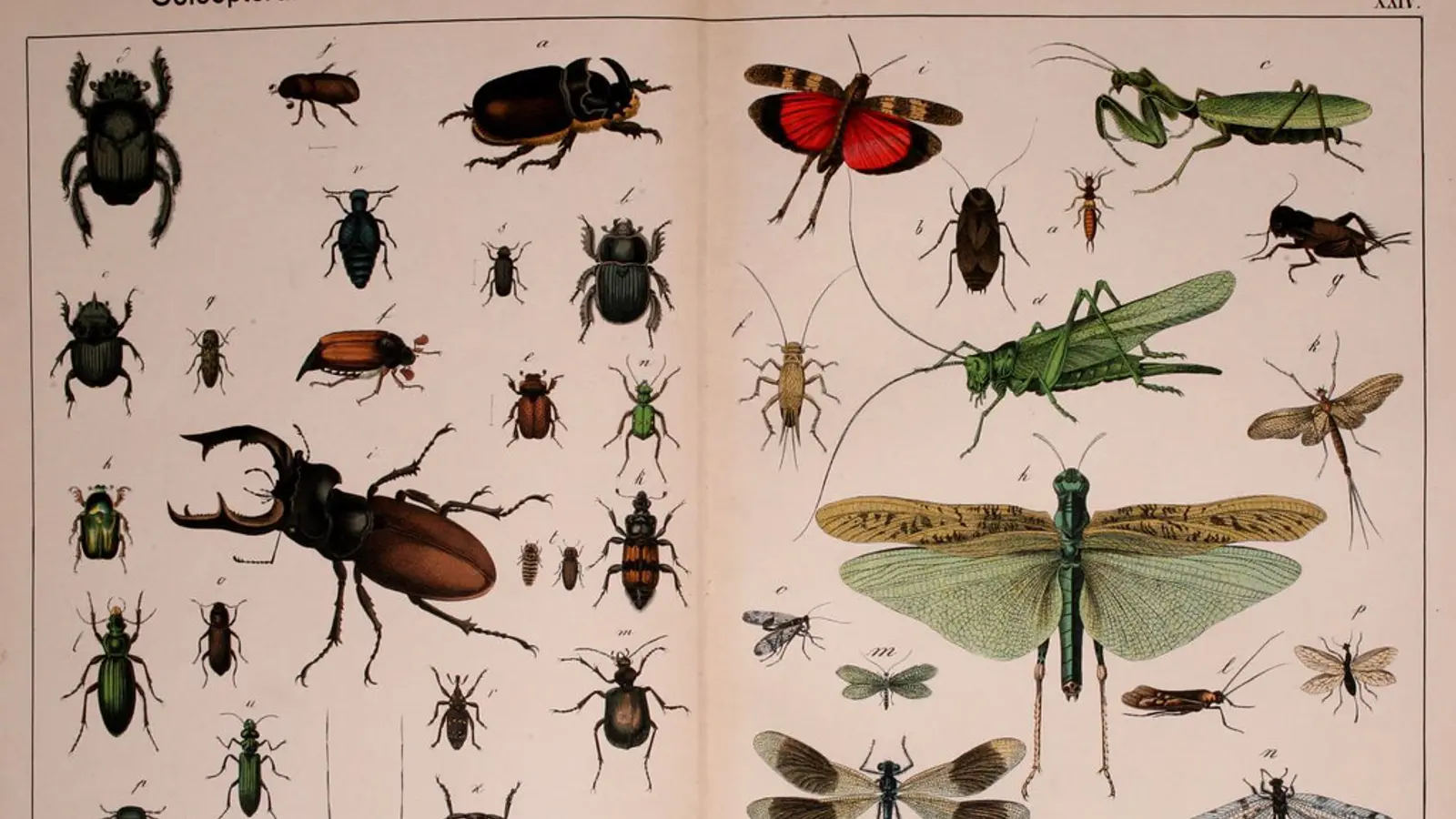
Insects are the protein engine, and the rules there are strict. Never feed an insect whose length is greater/wider than the width of the dragon's head; RSPCA: live food greater than the width of the dragon's head should not be offered. Feeders also need preparation: Feeder insects should be gut-loaded (fed a high-calcium, nutrient-fortified diet) before feeding: NCSU recommends 24-72 hours prior; PetMD says 6-12 hours before; Merck describes a 3-day gut-load with a 12% calcium (calcium carbonate) diet. Skip that step and you feed empty shells, because Feeder insects naturally contain extremely low calcium (about 0.03-0.3%) with 0.8-0.9% phosphorus; a 3-day 12% calcium gut-load raises insect calcium to roughly 0.8-0.9%, giving a Ca:P ratio of approximately 1.2:1. Our feeder insect guide ranks crickets, dubia roaches, and worms by life stage.
Supplements close the gap that captive diets leave. Juveniles need calcium dusting 4 to 5 times a week, adults 1 to 2 times a week, and the target is a diet with The calcium:phosphorus ratio of the diet should be at least 1:1, with 2:1 preferred (Merck); WSU and Illinois WEL state the ideal Ca:P ratio is 2:1. The calcium and supplements guide explains dusting without overdosing.
Some foods are never worth the risk. The verdict on fireflies is blunt: never — lethal. The full toxic foods list covers avocado, rhubarb, and wild-caught insects with the evidence behind each ban.
Water rounds out the picture, and it is less obvious than it sounds. Bearded dragons can and do drink standing water — the Australian Museum reports wild dragons 'will drink from standing free water' — and pet care sources still recommend a water bowl; wild dragons also harvest rainwater by licking water channeled to the snout. Details are in the hydration guide.
Quick reference: what bearded dragons can eat
| Food | Verdict |
|---|---|
| Collard, mustard, turnip, dandelion greens | Safe staple, feed daily |
| Squash, zucchini, sweet potato, carrot | Safe staple (vegetable portion) |
| Crickets, dubia roaches | Safe staple feeders, gut-loaded |
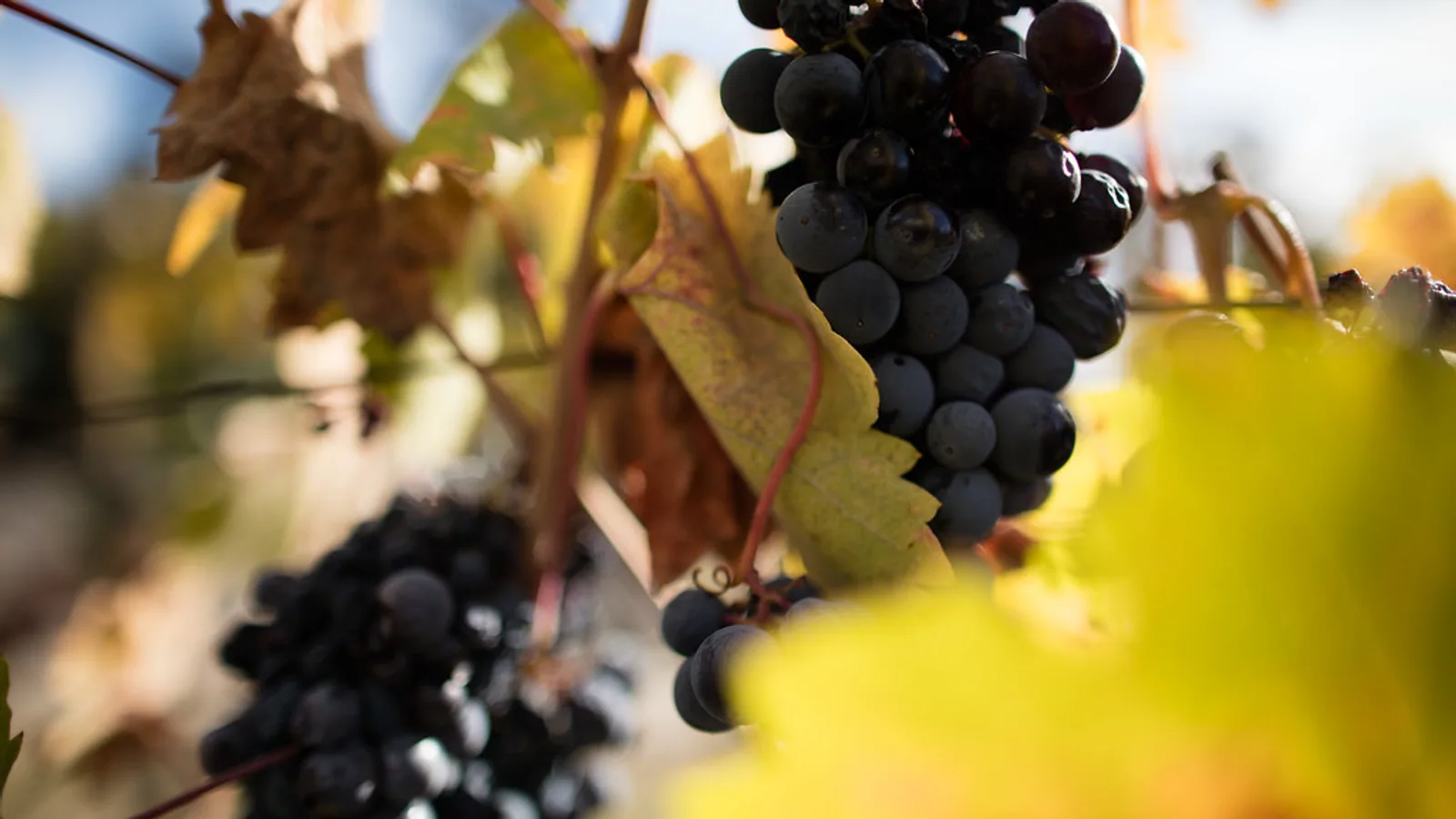
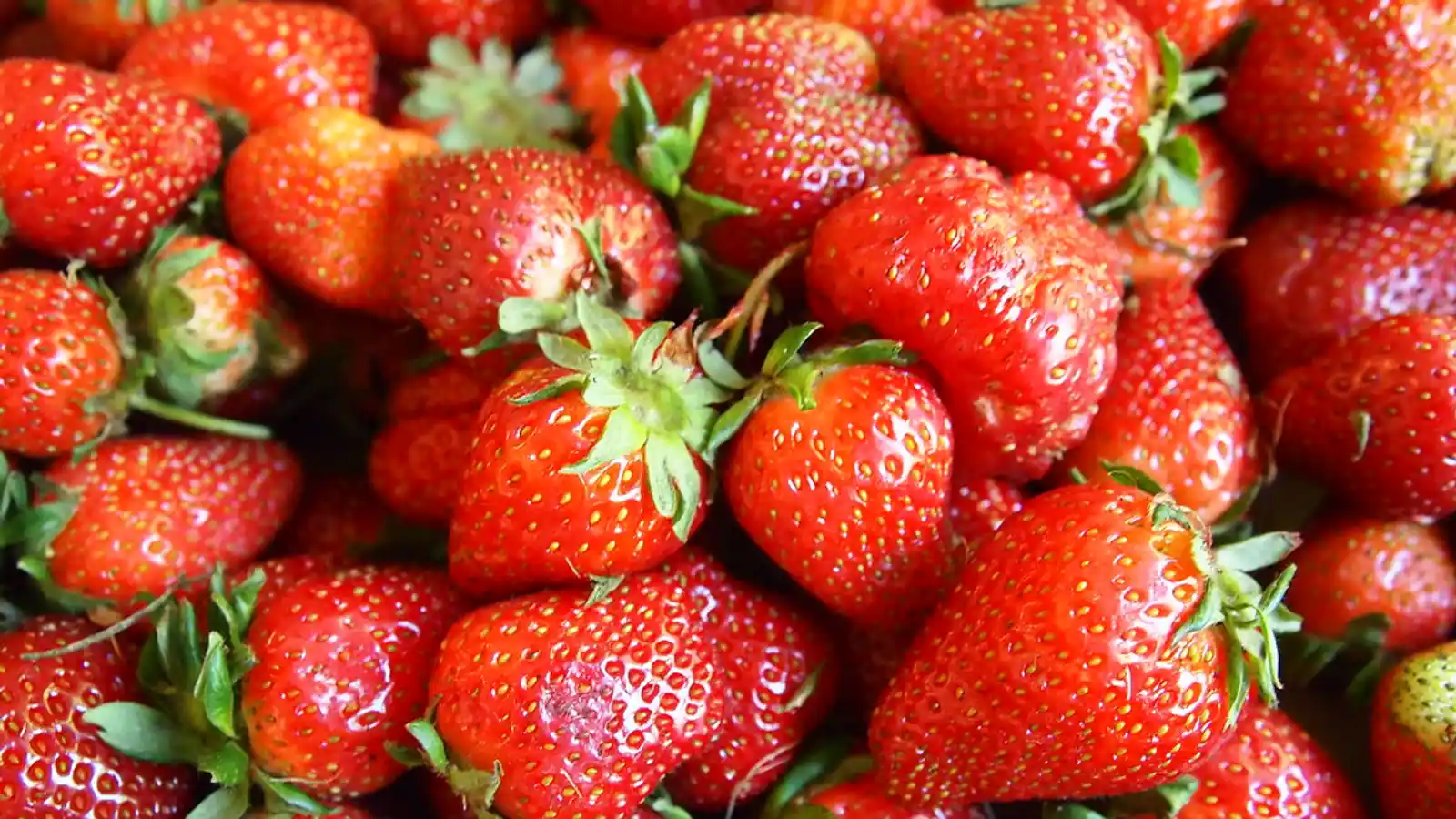
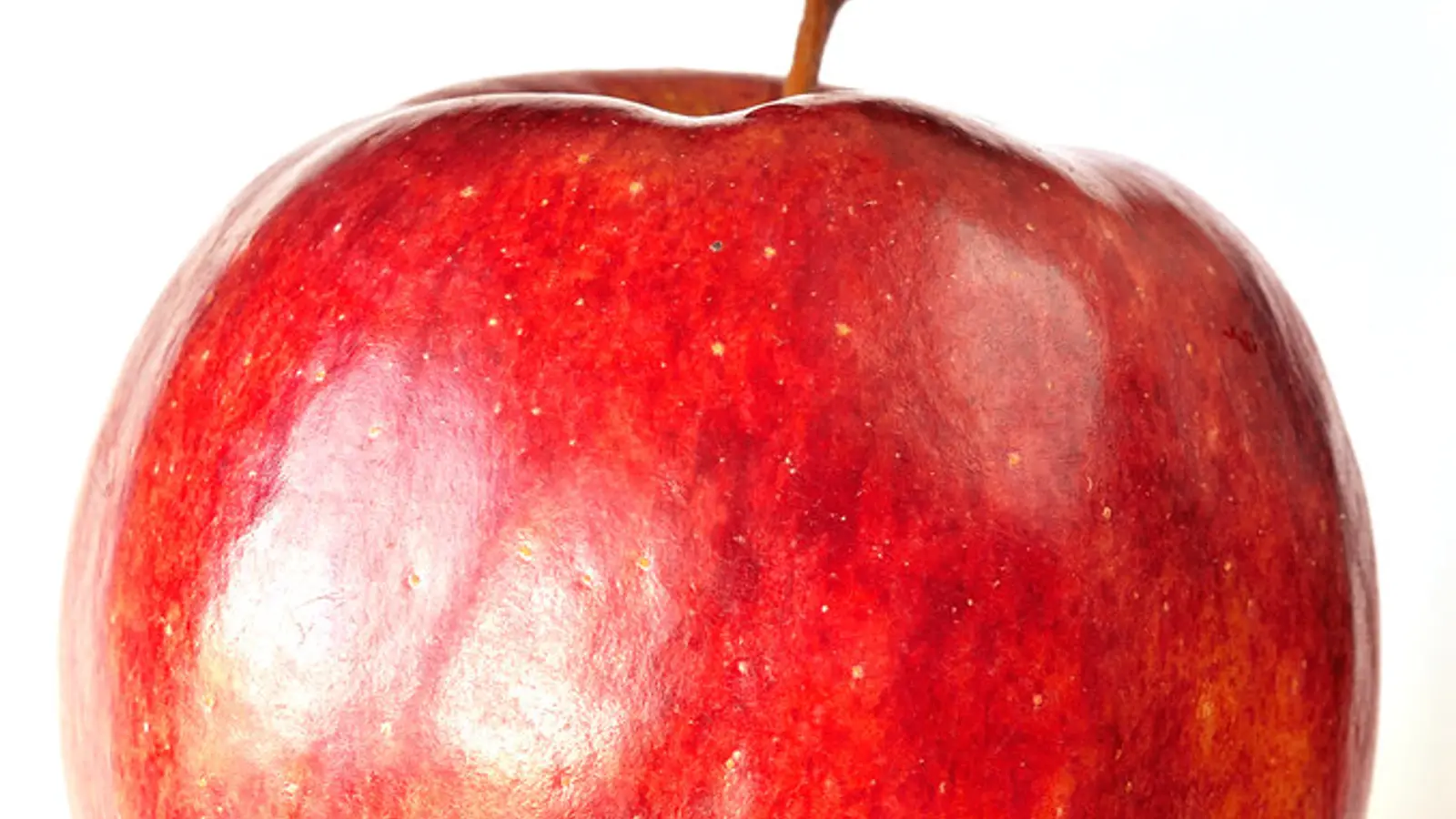
| Grapes, strawberries, blueberries, apple, watermelon | Occasional treats within about 5 percent of the diet at most |
| Mealworms, superworms, waxworms | Occasional; watch size and fat |
| Spinach, iceberg lettuce | Rarely; poor nutrition or calcium binding |
| Avocado, rhubarb, fireflies, wild-caught insects | Never |
Source note: verdicts compiled from the veterinary sources cited in each linked article.