The safe fruit list
Three veterinary feeding guides publish overlapping fruit lists, and together they cover most of what you would find in a kitchen. Safe occasional fruits include papaya, melon, watermelon, banana, figs, apples, mango, dates, peaches, apricots (NCSU), strawberries and blueberries (PetMD), and apple, apricot, banana, dates, figs, grapes, guava, kiwi, mango, melon, peach, pear, raspberry, star fruit, strawberry, tomato (VCA)
Here is how the fruits owners ask about most often are rated across those guides.
| Fruit | Feeding status |
|---|---|
| Apples | occasional |
| Strawberries | occasional |
| Blueberries | occasional |
| Grapes | occasional |
| Bananas | occasional |
| Watermelon | occasional |
| Tomatoes | occasional |
Source note: ratings compiled from NC State University's veterinary hospital, VCA Animal Hospitals, and PetMD feeding guidance; see Sources below.
Every row reads the same for a reason. No fruit is a staple for this species. The individual guides for grapes and bananas cover serving details fruit by fruit.
How much fruit is safe
The quantity rule is stricter than most owners expect. Fruit should be limited to at most about 5% of the total diet (NCSU/WSU/PetMD) because it is high in sugar; VCA allows fruit as 10-20% of the plant portion only, 'as a treat only'.
That cap sits inside a larger structure. 80-90% of the plant material fed should be leafy green vegetables; fruit plus yellow/red/orange vegetables should be only 10-20% of the plant portion. So fruit shares its small allowance with colored vegetables like carrot and bell pepper; it does not get its own separate budget. A strawberry sliced over the greens once or twice a week fits the math. A daily fruit course does not.
Wild diet backs up the captive rule. In the wild they feed on vegetation including fruit and leaves, invertebrates (including ants and beetles), and small vertebrates such as lizards. Fruit appears in the natural menu, but as a find, not a habit.
For the diet as a whole, the plant and insect halves already have assigned jobs. A bearded dragon's diet should generally be about 50% plant-based and 50% animal-based (insect) material overall, varying with age: young dragons are primarily insectivores, adults more herbivorous. Fruit has to fit inside the plant half without displacing the greens that do the calcium work, which is exactly what the percentage caps protect.
How to serve fruit safely
PetMD's grape guidance doubles as a template for serving fruit in general. PetMD advises feeding grapes only as a treat, about 1 to 2 grapes once or twice a week; their high sugar content can lead to obesity and digestive issues, and seeds should always be removed and the grapes cut bite-sized because seeds are a blockage risk.
Three habits carry over to every fruit on the safe list. Cut pieces small enough to take in one bite. Remove seeds and pits before anything goes in the bowl. Mix fruit into the salad rather than serving it alone, so it arrives as part of the meal instead of a separate treat course. Use a feeding dish too: Offer food in a separate dish or feeding container rather than on the substrate to reduce accidental substrate ingestion.
Fruits to avoid
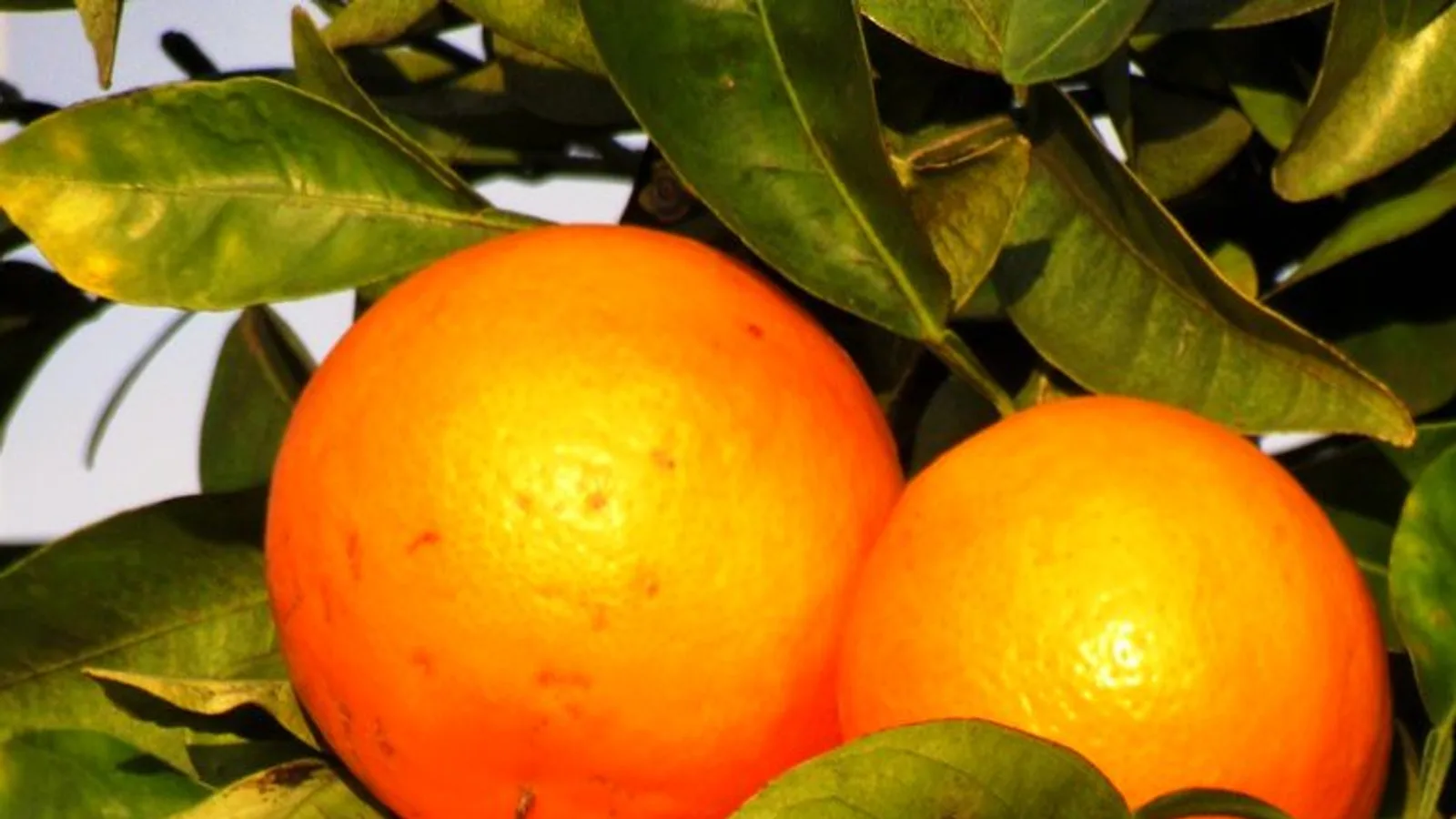
One group is off the list outright on veterinary advice. Avoid feeding citrus fruits, as the acidity can cause gastrointestinal upset. That covers oranges, lemons, limes, and grapefruit.
Tomatoes escape the citrus rule despite their acidity: VCA and PetMD both keep them on the treat list at the occasional rating shown in the table, counted against the fruit allowance rather than the vegetable share.
Fruit also never includes the fruit-adjacent items people offer by mistake. According to PetMD, avocado sits on the do-not-feed list entirely, and rhubarb with it. Both appear with the reasons in our toxic foods guide, which is the page to check before any new food goes in the bowl.
Why sugar is the whole problem
Fruit earns its limit through sugar content, and the risk is cumulative rather than acute. A grape does no immediate harm. A fruit-heavy bowl every day quietly rebalances the diet toward sugar and water and away from calcium-dense greens.
Malnutrition in reptiles is wider than starvation. RSPCA notes malnutrition in reptiles encompasses overfeeding, nutrient excess, and imbalances — not just deficiency. An overweight dragon on a sweet diet is malnourished in the veterinary sense even while it eats enthusiastically. The fix costs nothing: hold fruit to its small share and let the greens do the daily work. Our guide to what vegetables bearded dragons can eat lists the staples that should fill the bowl instead.
Fruit and the calcium ledger
Experienced keepers can look one level deeper, because the sugar argument is only half of why vets cap fruit.
The dietary target that governs everything a bearded dragon eats is the calcium to phosphorus ratio. The calcium:phosphorus ratio of the diet should be at least 1:1, with 2:1 preferred (Merck); WSU and Illinois WEL state the ideal Ca:P ratio is 2:1. Every spoonful of fruit displaces a spoonful of calcium-dense staple greens, so a fruit-heavy bowl lowers the calcium the plant portion delivers even when every item in it is individually safe. The staple greens and the dusting schedule then have to make up the difference.
That is also why the fruit cap tightens rather than loosens with age. Adult diet per NC State and WSU vet hospitals: 50-55% dark leafy greens, 20% chopped/grated vegetables, about 25% animal matter (insects), and a maximum of 5% fruit. With insects already contributing phosphorus, an adult's plant portion has to be the calcium engine of the diet. Fruit dilutes that engine. Keepers who dust correctly have margin for the occasional treat; the schedule for that is in the calcium and supplement guide.