The verdict, with a caveat about the plant
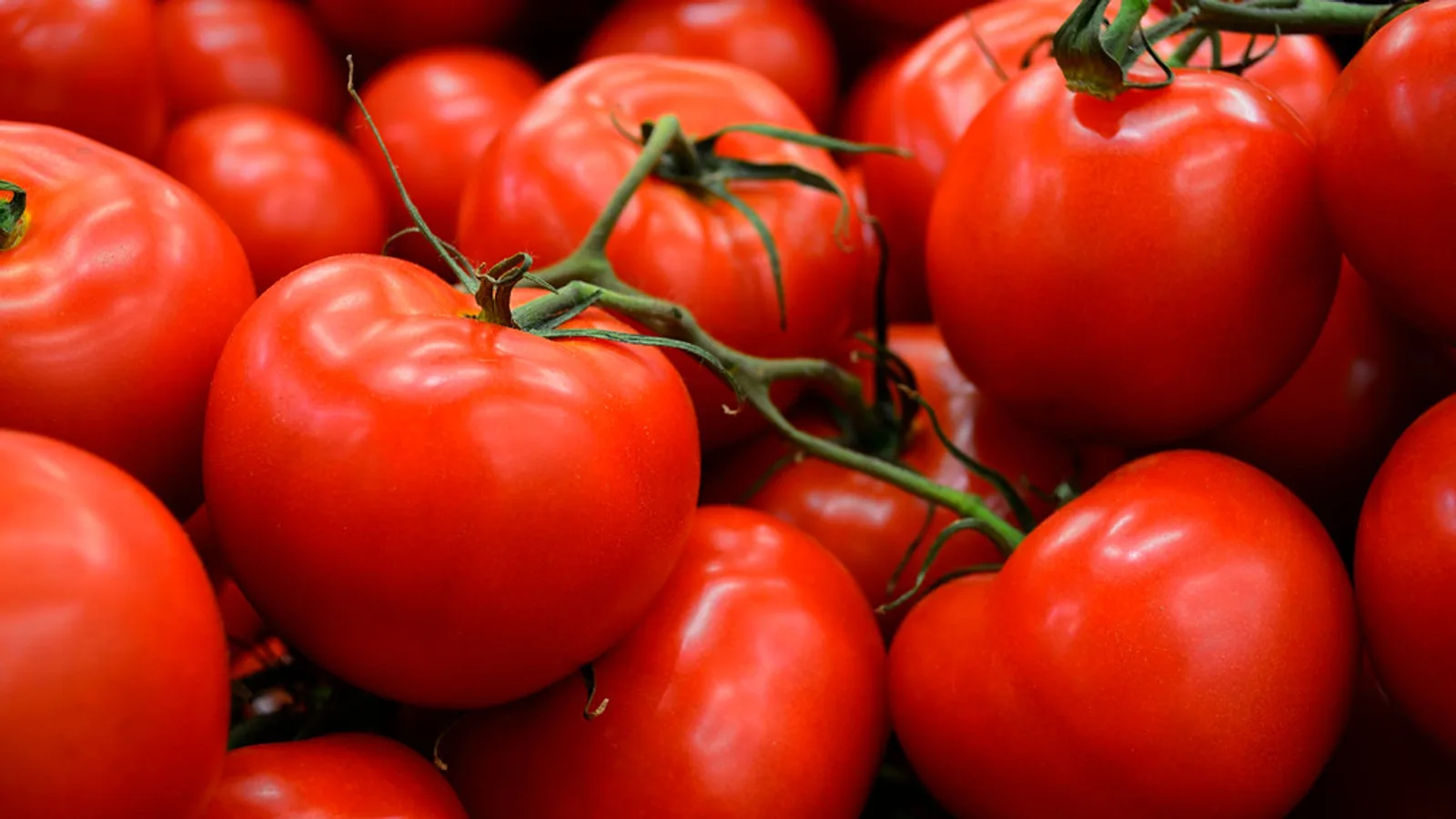
Ripe tomato flesh is an acceptable occasional item. It is not toxic, and it is not valuable either, which is why it belongs in the rare-treat category rather than in a weekly salad.
The caveat is the rest of the plant. Tomato foliage is well documented as a source of toxins that accumulate in animals feeding on it, and reptile keeping has a specific, sourced example of that risk: Wild hornworms are toxic to reptiles because they feed on tomato and tobacco plants and accumulate those toxins; only commercially raised hornworms are safe to feed.
Read that again, because it is the single most useful thing on this page. Wild hornworms become dangerous to reptiles precisely because they eat tomato plants. The leaves, stems, and vines never go in the enclosure, and a dragon allowed to roam near a tomato plant should not be nibbling it.
Fruit or vegetable, and why it matters here
A tomato is botanically a fruit, and in this diet it behaves like one: sweet, watery, low in calcium, and capped accordingly.
That matters because owners who file tomato under vegetable tend to serve it in vegetable quantities. The correct filing is with the treats, subject to the same ceiling as everything else sweet: Fruit should be limited to at most about 5% of the total diet (NCSU/WSU/PetMD) because it is high in sugar; VCA allows fruit as 10-20% of the plant portion only, 'as a treat only'.
The plant portion has a documented internal structure that leaves very little room for items like this: 80-90% of the plant material fed should be leafy green vegetables; fruit plus yellow/red/orange vegetables should be only 10-20% of the plant portion.
The acidity question
Veterinary guidance is explicit about acidic fruit in this species: Avoid feeding citrus fruits, as the acidity can cause gastrointestinal upset.
Tomatoes are acidic, though less so than citrus, and none of our cited sources bans them the way citrus is banned. The reasonable reading is a middle position: not prohibited, not a staple, and served in genuinely small amounts.
What we will not do is invent a threshold. No veterinary source we cite publishes a tomato-specific quantity for bearded dragons, so the honest guidance is a small piece, roughly monthly, rather than a made-up gram figure.
Preparation
Ripe only. Green, unripe tomato is firmer, more acidic, and closer in character to the plant material you are avoiding.
Remove seeds and the watery pulp. The seeds are small but numerous, and the pulp adds liquid without value.
Chop small. Follow the size rule veterinary sources set for prey: Never feed an insect whose length is greater/wider than the width of the dragon's head; RSPCA: live food greater than the width of the dragon's head should not be offered.
Skin can stay for adults. Tomato skin is thin and unproblematic for a full-grown dragon; remove it for juveniles.
Nothing cooked or processed. Tinned tomatoes, passata, ketchup, and sauces carry salt, sugar, and additives with no place in a reptile diet.
Serve in a dish and remove leftovers. Offer food in a separate dish or feeding container rather than on the substrate to reduce accidental substrate ingestion. Tomato is wet and it spoils fast.
What tomato does not do for your dragon
The honest framing is that tomato has no nutritional job in this diet that a proper green does not do better.
Calcium is the constraint. The calcium:phosphorus ratio of the diet should be at least 1:1, with 2:1 preferred (Merck); WSU and Illinois WEL state the ideal Ca:P ratio is 2:1. The staples that meet it are specific: Calcium-rich staple greens include collard greens, mustard greens, turnip greens, and dandelion greens.
And the wider vegetable list that veterinary sources actually recommend does not lead with tomato: Other (non-leafy) vegetables recommended: squash, zucchini, sweet potato, carrot, bean sprouts, broccoli (NCSU); squash, peas, beans (RSPCA); squash, zucchini, sweet potato (WSU)
So tomato is a variety item. If your dragon likes it, a small piece occasionally does no harm. If your dragon ignores it, nothing is lost.
The bigger lesson: garden plants and roaming dragons
The hornworm fact opens onto a broader safety point that matters more than the tomato itself.
Owners who let dragons explore a garden, or who grow live plants in an enclosure, need to know which plants are dangerous. The sourced list is specific: Toxic plants for reptiles include azaleas, laurel and rhododendrons (grayanotoxins - GI signs and potential cardiac damage), yews (taxine - heart damage), castor beans, sago palms, and certain ivy varieties; there is no antidote and treatment is supportive.
For enclosure planting, veterinary guidance names species that are actually appropriate: Hardy live non-toxic plants can be included (NCSU suggests sansevieria, aloe, palms, cycads); artificial plants also work for cover.
And the general rule about anything caught or grown outdoors holds firm: never Our toxic foods guide covers the complete never list, and the outdoor time guide covers safe supervised access.
Why acidity matters in a reptile gut
The acidity point deserves a proper explanation rather than a warning label, because it connects to how this animal digests at all.
A bearded dragon is an ectotherm. Its digestion runs on heat borrowed from the environment, which is why the enclosure holds a basking zone at 95 to 110 F (35 to 43 C) and a cool end at 75 to 80 F (24 to 27 C). Food moves through a system whose speed is set by body temperature: Preferred body temperature in the high thirties to low forties Celsius; thermal gradient of 27-45 C recommended in captivity.
A dragon kept slightly too cool digests slowly, and slow digestion gives irritating foods more contact time with the gut lining. That is the practical reason acidic and watery foods produce loose droppings in some dragons and not others. The variable is often husbandry rather than the food.
It also explains why the veterinary ban on citrus is stated so plainly: Avoid feeding citrus fruits, as the acidity can cause gastrointestinal upset. Tomato sits below citrus on that scale, which is why it is limited rather than banned, and why a dragon with correct temperatures usually handles a small piece without incident.
If your dragon reacts to mild foods repeatedly, check the temperature guide before blaming the menu.
How this fits a weekly routine
An adult dragon eats a salad most days, built on staple greens, with a supporting vegetable and one small fruit or bright-vegetable item on a single day of the week. Tomato is a candidate for that one slot, competing against better options.
Juveniles do not need it at all: Live insects should make up about 70% of a juvenile bearded dragon's diet, with vegetables about 20-30% and only small amounts of fruit. The feeding schedule guide lays out the age structure, and the vegetable guide covers what should actually fill the bowl.
If your dragon reacts badly
Loose droppings after an acidic or watery food are the usual mild outcome, and the droppings guide sets the normal baseline. Repeated diarrhea, refusal to eat afterward, or lethargy is a different matter: Contact a veterinarian if a bearded dragon is lethargic, isn't eating well, or isn't growing normally (WSU); RSPCA advises watching weight and contacting a vet if a dragon loses weight during seasonal slowdown.