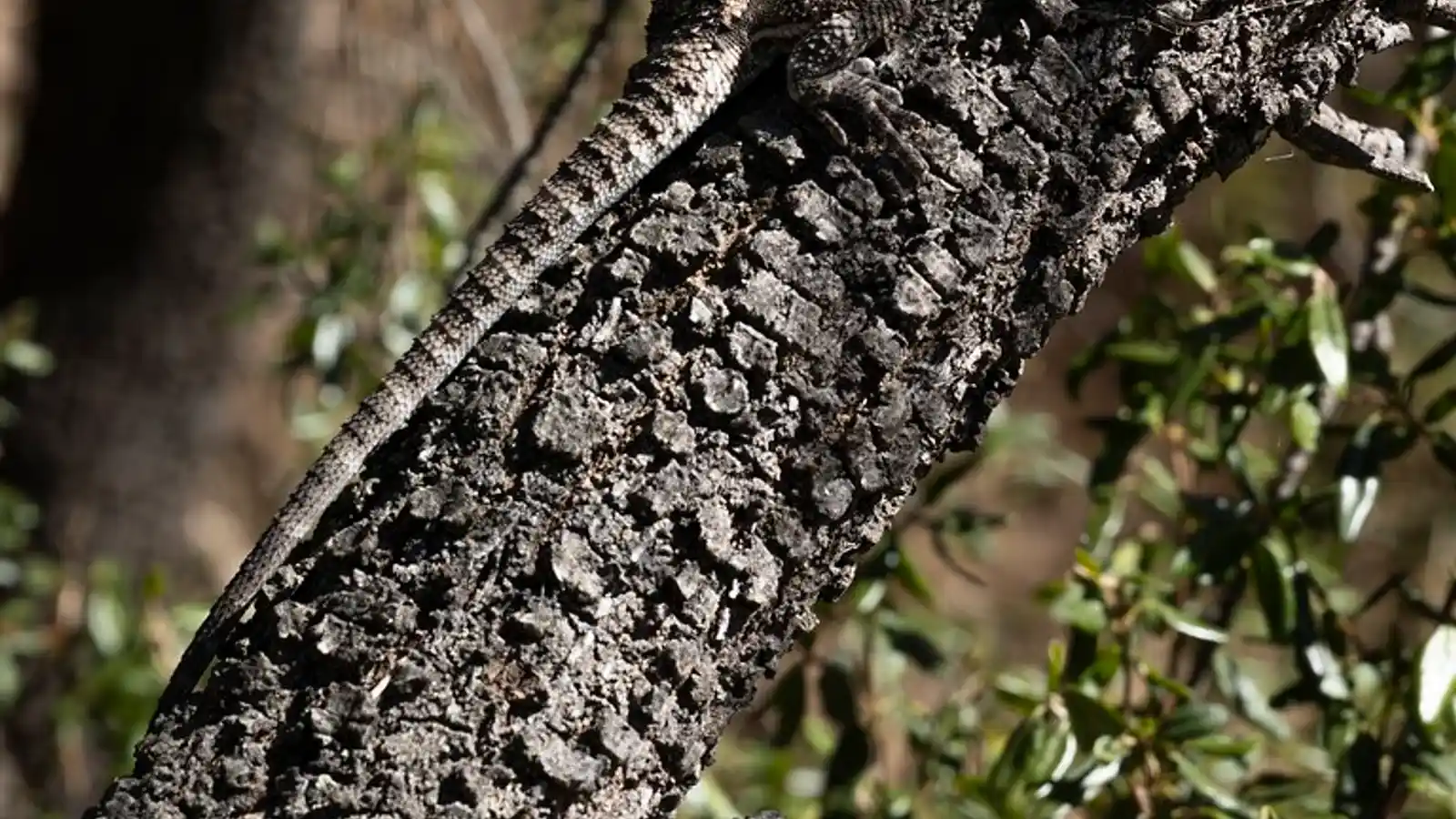
Why bearded dragons shed their skin
Reptile skin does not stretch and renew the way ours does, so the outer layer gets replaced wholesale. There is no set rule for shedding frequency, but young, growing bearded dragons shed more often than adults; reptiles shed throughout life to accommodate growth. A fast-growing juvenile outgrows its skin on a tight cycle. An adult that has stopped growing still sheds, just less often, because skin wears out even when the animal underneath stays the same size.
There is no fixed timetable to measure against, and the RSPCA says so directly. That makes the look of the shed, not the date on the calendar, your quality signal.
What a normal shed looks like
Bearded dragons shed their skin in large pieces; before a shed the dragon looks dull as the old skin dries, then the skin should come off easily over a day or so. The dull, grayish phase can last a while before anything lifts, and the eyes often join in: Cloudy-looking eyes (like dirty glasses) and dull coloration can occur as part of the shed cycle; retained shed around the eyes is a form of dysecdysis.
During this window many dragons rub against decor, scratch at surfaces, and act mildly restless. Expect patches rather than one clean sock of skin. Legs, tail, head, and trunk frequently shed on their own schedules, so a dragon that looks half-finished for a few days is not failing at anything.
How to help a shedding bearded dragon
The help that works is indirect. You set up conditions, and the dragon does the shedding.
Hold humidity in range. Keeping enclosure humidity in the proper range (about 30-50% per PetMD; 30-40% per RSPCA/WSU) supports healthy shed cycles. Our humidity guide covers hygrometer placement and how to bring a damp or bone-dry enclosure back into range.
Offer a soak. For stuck patches after a shed, bathe the dragon in shallow, tepid water for about five minutes to soften the skin; PetMD similarly advises soaking in a large, shallow container of warm water. A shallow, supervised bath is the gentlest tool you have; the full routine is in our guide to bathing a bearded dragon.
Mist as backup hydration. Misting supports hydration: VCA suggests misting or washing vegetables and lightly misting the bearded dragon itself; NCSU mentions misting alongside weekly soaks. A lightly misted dragon takes in moisture through drinking the droplets, and hydrated skin releases better than dry skin. Keep misting light and brief so the enclosure itself stays dry between sessions.
Give it something to rub on. Rocks, branches, and rough hides let the dragon work loose skin off the way it would in the wild. An enclosure with nothing abrasive in it slows every shed.
Keep hands off the skin. Never pull off old skin that seems stuck - it can tear the new skin underneath. If a piece is genuinely ready, it comes away with almost no force during normal handling or bathing. Resistance means stop.
Stuck shed is a circulation problem, not a cosmetic one
Retained skin looks harmless. On the wrong body part it is not. Retained shed shrinks as it dries and can constrict circulation, especially on toes and tail tips; poor shedding on the feet can cut off blood supply and lead to loss of toes or tissue death requiring amputation. VCA Animal Hospitals flags the toes and tail tip as the danger zones because a drying ring of old skin works like a tourniquet.
Check toes and tail tip at the end of every shed. A retained ring that stays tight after a soak, any darkening, or a shriveled look at the tail tip is a veterinary problem, and our tail rot guide shows what the serious version looks like.
Why sheds go wrong
Problem shedding has a veterinary name, dysecdysis, and a mostly husbandry-shaped cause list. Shedding problems (dysecdysis) are caused by low humidity, temperatures that are too cool, lack of abrasive surfaces to rub against, nutritional deficiencies, skin parasites, infections, dehydration, and rarely thyroid dysfunction.
| Common cause of stuck shed | The husbandry answer |
|---|---|
| Humidity too low | Keeping enclosure humidity in the proper range (about 30-50% per PetMD; 30-40% per RSPCA/WSU) supports healthy shed cycles. |
| Dehydration | Soaking/bathing in shallow warm water helps hydration: VCA suggests soaking in warm water for several minutes a few times a week; NCSU says bearded dragons enjoy a shallow soak weekly in warm water along with misting. |
| Nothing to rub against | Provide sturdy rocks, branches, and textured hides so the dragon can work skin loose itself |
| Poor overall condition | Contact a veterinarian if a bearded dragon is lethargic, isn't eating well, or isn't growing normally (WSU); RSPCA advises watching weight and contacting a vet if a dragon loses weight during seasonal slowdown. |
Source note: causes per PetMD's dysecdysis reference and Merck Veterinary Manual; husbandry ranges per RSPCA and WSU, all listed in Sources.
Repeated bad sheds are a message. Most common bearded dragon health problems are husbandry-linked: metabolic bone disease, impaction, dysecdysis (abnormal shedding), parasites, gout, fatty liver and trauma appear on RSPCA SA's list of common conditions; incorrect diet, lighting and temperature are root causes cited by vet sources. Fix the environment and most shedding problems stop recurring.
The deeper mechanics keepers should know
Dysecdysis rarely arrives alone, which is what makes it diagnostically useful. Skin that will not release is often the first visible output of a hydration deficit: Sunken eyes, sticky mucus in the mouth, and retained non-shedding skin can all be signs of dehydration; sunken eyes also suggest weight loss. Spotting that trio early gives you a head start on whatever is driving it.
The circulation risk also has a formal mechanism worth knowing. Avascular necrosis of toes and tail tips - discoloration/darkening, swelling, infection, then hardened dead tissue - results from blood vessel obstruction due to low humidity, retained shed rings, trauma, infection, blood clots, or tumors. That is why a constricting ring of shed on a toe is treated as urgent rather than cosmetic: once tissue past the ring dies, no husbandry fix brings it back, and amputation becomes the veterinary option on the table.
Humidity deserves a more precise look than the single number most care sheets give it, because the sources publish a spread rather than one figure. Keep humidity low, around 30-40%; source ranges: RSPCA UK 30-40% (measured at cool end), WSU 30-40%, NCSU 20-40%, PetMD 30-50%, Merck 20-30%. The nuance for shedding is in Merck's note: a temporary bump helps a shed along, while a permanently damp enclosure trades a skin benefit for a respiratory risk. Run the baseline dry, raise moisture deliberately during a shed with soaks and misting, and let the hygrometer, not habit, confirm you came back down afterward.
Finally, watch what a shed does to behavior. A mildly grumpy, less hungry dragon mid-shed is common. A dragon that stays lethargic and off food after the shed completes has moved out of shedding territory, and the checklist in our sick bearded dragon symptoms guide applies.
Each shed is a free health report your dragon files several times a year. Read it, fix what it tells you, and browse the rest of our health guides when something looks off.