The native range
The pet species has a specific home: P. vitticeps occurs from the eastern half of southern Australia to the southeastern Northern Territory; a band across the semi-arid interior of eastern Australia including western NSW, western Queensland and the Riverina.
The wider genus covers more ground: The genus Pogona is native to the Australian region, with ranges across most of the continent excluding the central north and some southeastern coastal areas.
And the genus itself: Six naturally occurring species in genus Pogona, plus one viable captive-bred hybrid (Pogona vittikens, Rankin's dragon x central bearded dragon)
The full list: Pogona barbata (eastern), P. henrylawsoni (Rankin's), P. microlepidota (Kimberley), P. nullarbor (Nullarbor), P. vitticeps (central), P. minor (western)
Of those, one dominates captivity: The inland/central bearded dragon (Pogona vitticeps) is the most popular pet species; commonly bred in captivity in the US and Canada.
Our types guide covers the species properly, including a discrepancy between sources on the count.
The habitat that shaped everything
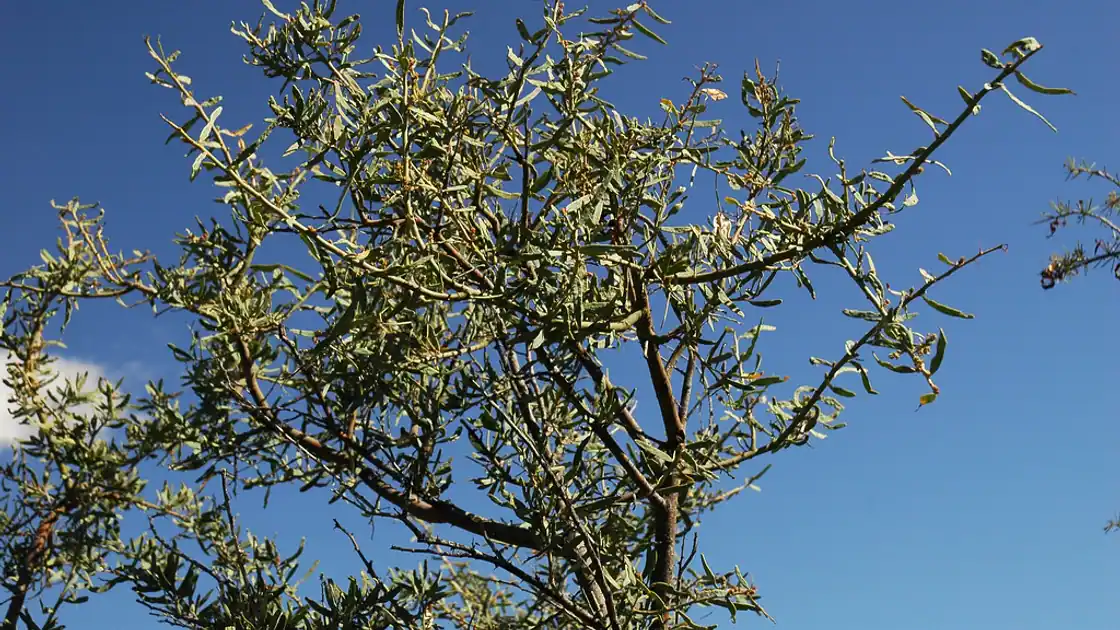
Here is the sentence that explains most of the husbandry advice on this site: Wide range of arid to semi-arid habitats: deserts, dry forests, scrublands, low open woodland and low shrubland; semiarboreal.
Arid and semi-arid country produces an animal built for heat, intense sun, and very little moisture. Every parameter in the habitat section descends from that.
Basking temperatures of 95 to 110 F (35 to 43 C) exist because the animal evolved under a desert sun.
Humidity of 30 to 40 percent exists because dry air is what its respiratory system expects.
UVB requirements exist because open Australian sky delivers enormous UV exposure: Bearded dragons rely on UVB light to synthesize vitamin D3 in the skin; D3 is essential for calcium metabolism, and without adequate UVB they can develop metabolic bone disease (nutritional secondary hyperparathyroidism), weak bones and fractures.
Nighttime cooling to no colder than 65 to 70 F (18 to 21 C) mirrors desert nights, where temperatures drop sharply after dark.
Captivity is an attempt to rebuild that environment in a box. Framed that way, the equipment list stops looking arbitrary.
How they live in the wild
Wild bearded dragons are opportunistic feeders: Wild central bearded dragons are opportunistic omnivores that eat large quantities of plant matter, insects, and the occasional small rodent or lizard; they are not finicky eaters.
Specifically: In the wild they feed on vegetation including fruit and leaves, invertebrates (including ants and beetles), and small vertebrates such as lizards.
Water arrives unpredictably, which produced a memorable behaviour: Wild bearded dragons will drink from standing free water; during rain they also stand on rear limbs with head sloped down and lick water that runs forward over the body to the snout, holding the position 20-30 minutes.
That rain-harvesting posture explains why a captive dragon sometimes ignores a still water dish and then drinks eagerly from droplets, which the hydration guide covers.
They also climb more than their stocky build suggests: Young bearded dragons are semi-arboreal; adults are mostly terrestrial but remain excellent climbers and perch on elevated sites to bask.
And one documented observation is striking: Bearded dragons are adept climbers in the wild - one Australian Museum observation records a dragon perched in the same tree 3 m above ground for three weeks during extreme heat.
They are not social animals: Not social - solitary animals; should be housed individually, and males must be kept separately (territorial)
That single fact is the entire basis of the one-dragon-per-enclosure rule in the cohabitation guide.
How they got to the rest of the world
Here is the part most owners do not know: Australia banned the commercial export of all live native animals in 1982; pet-trade bearded dragons outside Australia today are supplied by overseas captive breeding.
Australia closed commercial export of native wildlife decades ago. Every bearded dragon in a European, American, or Asian home today descends from animals that left before that, bred in captivity across many generations since.
That has three consequences worth knowing.
No wild-caught dragons. Unlike some reptiles in the trade, a bearded dragon you buy was born in captivity. That is genuinely good news for both welfare and disease risk.
A narrow founding population. Decades of captive breeding from a limited founder group is the backdrop to morph development, and to genetic concerns in some morph lines: Factors that shorten lifespan include inbreeding/genetic issues (e.g., silkback morphs with compromised skin), poor husbandry, metabolic bone disease, kidney disease, dental disease, obesity, retained eggs, and lack of veterinary care.
Illegal trade still exists. Australian native reptiles are smuggled, which researchers have documented: Animal Diversity Web reports bearded dragons are very popular in the pet trade and have been used in scientific research, favored for their manageable size and pleasant temperament.
Wild versus captive life
The differences run in both directions.
| Aspect | Wild | Captive |
|---|---|---|
| Lifespan | Wild bearded dragons live only a fraction of the captive lifespan due to predation and limited access to food, water, and veterinary care. | 7 to 15 years |
| Diet | Opportunistic; leaves, fruit, invertebrates | Scheduled salads and feeder insects |
| Water | Rain and dew | Dish, soaking, misting |
| Temperature | Behavioural, across open country | A gradient inside an enclosure |
| Parasites | Wild central bearded dragons naturally host various parasites, including protozoa, nematodes, cestodes, and trematodes. | Managed with veterinary care |
Source note: range and habitat data from Animal Diversity Web and the Australian Museum, with veterinary comparisons from the sources cited below.
Captive dragons live substantially longer, which is the clearest measure of what good husbandry provides.
Seasons and the Australian calendar
One oddity of keeping an Australian animal in the northern hemisphere: its internal calendar was written for the southern one.
Wild breeding follows the Australian seasons: Wild breeding occurs September-March (Australian spring/summer)
And seasonal slowdown follows the same clock: In their native Australian habitat, bearded dragons brumate during the southern-hemisphere winter months (May to August), when daytime temperatures are about 68-72 F and nights drop to about 40-44 F.
Captive dragons in the northern hemisphere typically shift toward local winter, though not always tidily. The brumation guide covers what to expect.
Why the origin story is useful
Every time you wonder why a rule exists, the answer is usually in the habitat. Why does UVB matter so much? Because Australian sun. Why is humidity kept low? Because arid country. Why do they need a temperature gradient rather than one warm room? Because a wild dragon moves between sun and shade all day: A hot-to-cool temperature gradient is mandatory so the dragon can thermoregulate within its preferred optimal temperature zone (POTZ)
And why does the diet flip from insect-heavy to plant-heavy with age? Diet shifts with age: hatchlings/young juveniles eat roughly 70% insects / 30% vegetation, flipping in adulthood to mostly vegetation (RSPCA Australia: adults ~90% vegetation / 10% animal matter; PetMD: adults 70-80% plants)
Keep the wild animal in mind and the husbandry stops being a list to memorise.